
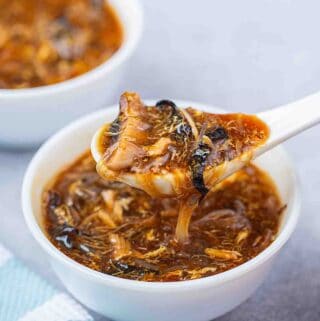
Hong Kong borscht soup, or Luo Song Tang (羅宋湯), is a classic Hong Kong-style tomato and beef soup with tender beef, cabbage, potatoes, carrots, and other vegetables. Unlike traditional Eastern European borscht, Hong Kong borscht usually does not contain beets. Instead, tomatoes create its signature red color and rich, savory, slightly tangy flavor.
Growing up in Hong Kong and Macau, I often enjoyed Luo Song Tang at Hong Kong-style cafés and at home. It is one of those comforting soups that bring back childhood memories for me, along with other Cantonese soups such as potato-tomato soup, sweet corn pork soup, lotus root pork soup, and watercress soup.
This Hong Kong borscht recipe reflects the city's unique blend of Chinese and Western culinary influences. You can make it on the stovetop or in an Instant Pot, and I'll show you how with step-by-step photos, helpful tips, and a video. Serve it with crusty bread, garlic cheese breadsticks, focaccia, ciabatta bread, garlic rosemary bread, or dinner rolls for a hearty meal.
Love soups? Check out these chicken gnocchi soup, miso soup, kimchi tofu soup, hot & sour soup, gobo soup, tom yum kung, samgyetang, and wonton soup recipes.

What Is Hong Kong Borscht (Luo Song Tang 羅宋湯)?
Borscht is a sour soup with roots in Ukraine and is widely eaten throughout Eastern Europe. Traditional Ukrainian borscht is commonly made with beets, which give the soup its distinctive deep red color and earthy, slightly sweet flavor.
Hong Kong borscht, known as Luo Song Tang (羅宋湯) in Cantonese, is quite different. The Chinese term Luo Song (羅宋) historically refers to Russia or Russian-style foods, which is why this dish is sometimes called Chinese-style Russian borscht. Instead of beets, Hong Kong borscht typically uses tomatoes and tomato paste to create its signature red broth and savory, slightly tangy flavor.
The dish developed through Chinese adaptations of Russian-style soup and eventually became especially popular in Hong Kong. Ingredients were adjusted to suit local tastes and availability, with tomatoes replacing beets as an important part of the broth.
Today, Hong Kong borscht is a classic cha chaan teng (茶餐廳) dish, often served as a soup or an appetizer with Hong Kong-style Western meals. Its combination of beef, tomatoes and vegetables reflects the blend of Chinese and Western culinary influences found in Hong Kong cuisine.
To make the soup, beef is browned first to develop deeper flavor, then simmered with tomatoes, tomato paste and vegetables until the beef becomes tender and the broth is rich and flavorful. My stovetop version simmers for about two hours, but you can also make it more quickly in an Instant Pot.
What Does Hong Kong Borscht Taste Like?
Hong Kong borscht has a rich, savory, and slightly tangy tomato flavor, balanced by the natural sweetness of cabbage, carrots, and other vegetables. The beef adds a deep, meaty umami flavor, while slow simmering allows all the ingredients to blend into a hearty, flavorful broth.
Unlike traditional beet-based borscht, Hong Kong borscht has a more tomato-forward flavor without the earthy taste of beets. The result is a warm, comforting beef and vegetable soup that reflects Hong Kong's unique blend of Chinese and Western culinary influences.
Why You'll Love This Hong Kong Borscht Recipe
- Rich and flavorful: Beef, tomatoes, and vegetables simmer together to create a savory, slightly tangy broth with plenty of depth.
- Hearty and comforting: Tender beef, potatoes, carrots, cabbage, and other vegetables make this a satisfying soup for lunch or dinner.
- Authentic Hong Kong-style flavor: This recipe recreates the tomato-based Luo Song Tang (羅宋湯) I grew up eating in Hong Kong and Macau.
- No beets: Unlike traditional Eastern European borscht, this Hong Kong-style version uses tomatoes and tomato paste for its signature red color and flavor.
- Two easy cooking methods: Make it on the stovetop for a slow-simmered soup or use an Instant Pot to save time.
- Great for meal prep: The flavors develop even more after the soup sits, making leftovers delicious the next day.
Why Is Hong Kong Borscht Popular in Hong Kong?
Hong Kong borscht, or Luo Song Tang (羅宋湯), became popular as part of Hong Kong's unique fusion of Chinese and Western food cultures. Over time, the soup was adapted to local tastes, using a tomato-based broth instead of the beets commonly found in traditional Eastern European borscht.
The soup became especially associated with cha chaan teng (茶餐廳), Hong Kong-style cafés known for serving localized Western dishes alongside Chinese favorites. Hong Kong borscht fits naturally into this dining style and is often served as a soup or an appetizer in set meals.
Its popularity also comes from its simple, comforting ingredients. Beef, tomatoes, cabbage, potatoes, and carrots create a hearty soup with familiar flavors that can be enjoyed on its own or as part of a meal.
Hong Kong Borscht vs. Traditional Borscht: What's the Difference?
Hong Kong borscht and traditional Eastern European borscht may share ingredients such as cabbage, carrots, potatoes, and meat, but their main ingredients and flavors differ significantly.
Traditional borscht is commonly made with beets, which give the soup its distinctive deep red color and earthy, slightly sweet and tangy flavor. Depending on the regional recipe, it may also contain meat and other vegetables and is often served with sour cream.
Hong Kong borscht (Luo Song Tang 羅宋湯), on the other hand, typically does not contain beets. Instead, tomatoes and tomato paste create its signature red broth and savory, slightly tangy flavor. It is generally served without sour cream and is a familiar comfort food in Hong Kong-style cafés (cha chaan teng 茶餐廳).
| Feature | Hong Kong Borscht | Traditional Eastern European Borscht |
| Base | Tomato-based | Commonly beet-based |
| Beets | Usually not used | Commonly used |
| Color | Bright tomato red | Deep beet red |
| Flavor | Savory, tomato-forward and slightly tangy | Earthy, slightly sweet and tangy |
| Sour cream | Usually served without it | Often served with sour cream |
| Cultural context | Hong Kong-style café (cha chaan teng) comfort food | Traditional Eastern European dish |
What to Serve With Hong Kong Borscht
Hong Kong borscht is hearty enough to enjoy on its own, but it also pairs well with bread or rice for a more filling meal. Try serving it with chicken chop black pepper sauce, garlic cheese breadsticks, focaccia, garlic rosemary bread, ciabatta bread, dinner rolls, or a bowl of steamed jasmine rice.
Instant Pot vs. Stovetop Hong Kong Borscht
You can make this Hong Kong borscht in either an Instant Pot or on the stovetop. Both methods produce tender beef and a rich, flavorful tomato broth, but the cooking times and water amounts differ.
Instant Pot: This is my preferred method for saving time. Pressure cooking helps tenderize the beef more quickly while allowing the flavors of the beef, tomatoes, and vegetables to blend.
Stovetop: After bringing the soup to a boil, reduce the heat and simmer for about 2 to 2½ hours, or until the beef is tender. For the stovetop method, I add 3 additional cups of water because more liquid evaporates during the longer cooking time.
My tip: Check the soup occasionally while it simmers on the stovetop. If too much liquid evaporates, you can add a little more hot water to reach your preferred consistency.
Hong Kong Borscht Ingredients
This Hong Kong borscht (Luo Song Tang 羅宋湯) is made with beef, beef bones, tomatoes, tomato paste, cabbage, potatoes, carrots, and celery. These simple ingredients simmer together to create a rich, savory, and slightly tangy tomato-based broth.

- Beef: I use beef chuck because it becomes tender and flavorful after pressure cooking or slow simmering.
- Beef bones: I like adding beef bones because they give the broth extra richness and a deeper beef flavor. If you don't have beef bones, you can substitute additional beef.
- Tomatoes and tomato paste: These are essential for the signature red color and tomato-forward flavor of Hong Kong borscht. Unlike traditional borscht, this version doesn't rely on beets.
- Cabbage: Adds texture and a subtle natural sweetness to the soup.
- Potatoes and carrots: Make the soup hearty and add natural sweetness that balances the tomatoes' acidity.
- Celery: Adds a mild aromatic flavor to the broth.
- Seasonings: Bay leaves, garlic powder, black pepper, and salt enhance the flavor without overpowering the beef and vegetables.
Substitutions & Variations
This Hong Kong borscht recipe is easy to adjust based on the ingredients you have and your preferences. Keep in mind that substitutions may slightly change the soup's flavor and texture.
- Beef: Beef chuck works well because it becomes tender during cooking. You can also use beef brisket or stew meat.
- Beef bones: If you don't have beef bones, omit them and use additional beef or beef broth for more flavor.
- Vegetarian: For a vegetarian Hong Kong borscht, omit the beef and beef bones and use vegetable broth instead of water or beef broth. You can also add extra vegetables or beans for more texture and protein.
- Onion: Add an onion for extra sweetness and flavor if you have enough room in your pot.
- Vegetables: You can adjust the amount of cabbage, carrots, potatoes, and celery according to your preference, but avoid overfilling the Instant Pot.
How to Store, Freeze & Reheat Hong Kong Borscht
Refrigerate: Let the Hong Kong borscht cool, then transfer it to an airtight container and refrigerate for up to 3-4 days. The flavors often develop even more after the soup sits overnight, making it great for meal prep.
Freeze: Once the soup has cooled completely, transfer it to freezer-safe airtight containers or freezer bags, leaving a little room for expansion. Freeze for up to 3 months. For easier meals later, you can freeze the soup in individual portions.
Thaw: For best results, thaw frozen Hong Kong borscht overnight in the refrigerator before reheating.
Reheat: Warm the soup in a saucepan over medium-low heat, stirring occasionally, until heated through. You can also microwave individual portions, stirring halfway through to help them heat evenly.
Expert Tips for the Best Hong Kong Borscht
Instant Pot Method
- Cut the beef and vegetables into large chunks. This helps prevent the vegetables from becoming too soft during pressure cooking.
- Brown the beef first. Set the Instant Pot to Sauté, add the vegetable oil, and brown the beef in batches if necessary. Searing develops a richer beef flavor, deepening the broth.
- Add the remaining ingredients. Add the beef bones, vegetables, tomatoes, tomato paste, and seasonings. Gently mix the ingredients before adding the water.
- Don't overfill the Instant Pot. I use a 6-quart Instant Pot for this recipe. Gently press down the vegetables to make room, but make sure the ingredients and liquid stay below the pressure cooker's maximum fill line.
- Pressure cook for 60 minutes. Cook on high pressure for 60 minutes, then allow the pressure to release naturally. This longer cooking time helps tenderize the beef and allows the flavors to develop.
Stovetop Method
- Use more water. For the stovetop method, I use 8 cups of water total, which is 3 cups more than the Instant Pot method, because more liquid evaporates during the longer cooking time.
- Simmer low and slow. Once the soup comes to a boil, reduce the heat and gently simmer for about 2 to 2½ hours, or until the beef is tender. Slow simmering gives the beef time to soften and allows the flavors to blend together.
- Skim the broth as needed. Use a fine-mesh strainer or spoon to remove any foam or impurities that rise to the surface while the soup simmers.
- Check the liquid level. Because water evaporates during stovetop cooking, check the soup occasionally. Add a little more hot water if necessary.
- Taste and adjust at the end. Before serving, taste the broth and adjust the salt and black pepper as needed.
Hong Kong Borscht Troubleshooting
Why is my Hong Kong borscht too watery?
If the soup is thinner than you prefer, simmer it uncovered on the stovetop to allow some of the liquid to evaporate. This concentrates the broth and strengthens the flavor.
Why is my soup too thick?
Add a small amount of hot water or broth until the soup reaches your preferred consistency. Taste afterward and adjust the seasoning if needed.
Why is the beef tough?
The beef may need more cooking time. Beef chuck becomes tender as the connective tissue breaks down during slow cooking or pressure cooking. For the stovetop method, continue simmering gently until the beef is fork-tender.
Why does my Hong Kong borscht taste too sour?
Tomatoes and tomato paste can vary in acidity. If the soup tastes too tangy, let it simmer a little longer and taste it again. You can also balance the acidity with a small amount of sugar, adding just a little at a time.
Why is my soup too oily?
Some cuts of beef and beef bones release more fat during cooking. Use a spoon or fine-mesh strainer to skim excess fat from the surface. If you refrigerate the soup overnight, you can also remove the hardened fat from the top before reheating.
FAQs:
I like to use beef chuck roast because it is affordable, easy to find, and becomes tender after pressure cooking or slow simmering. Beef brisket or stew meat also works well.
You can use most types of beef bones to add extra richness and beef flavor to the broth. I often use beef ribs, but marrow bones or other soup bones also work well. Oxtail can also be used, but it may make the soup richer and fattier. If needed, skim the excess fat from the surface after cooking.
Unlike traditional Eastern European borscht, Hong Kong borscht typically uses tomatoes and tomato paste instead of beets. This gives Luo Song Tang its characteristic red color and a savory, slightly tangy, tomato-forward flavor.
Yes. Beef bones add extra richness to the broth, but they are not required. If you don't have them, simply omit the bones and use additional beef. You can also use beef broth for a richer flavor.
Yes. Hong Kong borscht is a great make-ahead soup because the flavors continue to blend as it sits. You can make it a day ahead, refrigerate it in an airtight container, and reheat it before serving.
Hong Kong borscht is known as Luo Song Tang (羅宋湯) in Cantonese. Luo Song (羅宋) is an older Chinese term associated with Russia, while tang (湯) means soup. The name reflects the dish's connection to a Russian-style soup that was adapted over time into the tomato-based version popular in Hong Kong.
How to Make Hong Kong Borscht in an Instant Pot

Preparation:
1. Wash and peel 2 small carrots (8 oz). Then, cut them into chunks and set them aside.

2. Peel and wash 3 small potatoes (14 oz). After that, cut them into chunks and set them aside.

3. Next, wash and cut 2 sticks of celery (5 oz) into chunks.

4. Then, wash and cut 2 small tomatoes (7 oz) into chunks.

5. The following step, wash and cut ½ head of small cabbage (12 oz) into chunks.

6. After, cut 1.5 pounds of boneless beef chuck roast into chunks.

Browning meat:
7. Push the sauté button in an Instant Pot. Pour 1 tablespoon of vegetable oil into an Instant Pot. Next, add beef chuck roast, browning the sides for a few minutes. After that, take them out and set them aside.

8. Put 1 pound of beef bones into the Instant Pot pressure cooker and brown both sides.

Cooking:
9. Add the cut potatoes and carrots.

10. Next, add diced tomatoes, celery, and one can of diced tomatoes into the Instant Pot (14.5oz or 411g).

11. Then, put the browned beef chuck roast from step 7.

12. Put the cut cabbage and pour 5 cups of water into the Instant Pot. After that, add 2 bay leaves, ½ teaspoon of garlic powder, ¼ teaspoon of ground black pepper, 1 small can of tomato paste (6 oz), and 1.5 teaspoons of salt (always add salt to taste). Mix them a little bit.

13. Lastly, close the lid and vent. Press the manual button, set the time to 60 minutes at high pressure, and use natural release pressure. When the soup is done, you can use a strainer to remove excess fat.

Enjoy this delicious and simple Hong Kong borscht soup recipe! Also, check out these Korean strawberry milk, taiyaki, smoked pulled pork, walnut shrimp, chicken chop, and scrambled eggs shrimp rice recipes.
More Chinese Soup Recipes You'll Love
Subscribe to Oh My Food Recipes to get our new recipes delivered straight to your inbox! Follow along on Facebook, Pinterest, and Instagram for all the latest updates.

Hong Kong Borscht Soup
Equipment
- 1 Pot or Instant pot
Video
Ingredients
- 1.5 pounds Beef chuck roast boneless
- 1 pound Beef bones
- 3 small Potatoes (14 oz)
- 2 small Carrots (8 oz)
- 2 sticks Celery (5 oz)
- 1 can Diced tomatoes (14.5oz or 411g)
- 2 small Fresh tomatoes (7 oz)
- ½ small head Cabbage (12 oz)
- 1 can Tomato paste (6oz or 170g)
- 1 tablespoon Vegetable oil
- 5 cups Water
Seasoning:
- 2 pieces Bay leaf
- ½ teaspoon Garlic powder
- ¼ teaspoon Ground black pepper
- 1.5 teaspoon Salt (Always add salt to your taste)
Instructions
- Wash and peel 2 small carrots (8 oz). Then, cut them into chunks and set them aside.
- Peel and wash 3 small potatoes (14 oz). After that, cut them into chunks and set them aside.
- Next, wash and cut 2 sticks of celery (5 oz) into chunks.
- Then, wash and cut 2 small tomatoes (7 oz) into chunks.
- The following step, wash and cut ½ head of small cabbage (12 oz) into chunks.
- After, cut 1.5 pounds of boneless beef chuck roast into chunks.
- Push the sauté button in an Instant Pot. Pour 1 tablespoon of vegetable oil into an Instant Pot. Next, add beef chuck roast, browning the sides for a few minutes. After that, take them out and set them aside.
- Put 1 pound of beef bones into the Instant Pot pressure cooker and brown both sides.
- Add the cut potatoes and carrots.
- Next, add diced tomatoes, celery, and one can of diced tomatoes into the Instant Pot (14.5oz or 411g).
- Then, put the browned beef chuck roast from step 7.
- Put the cut cabbage and pour 5 cups of water into the Instant Pot. After that, add 2 bay leaves, ½ teaspoon of garlic powder, ¼ teaspoon of ground black pepper, 1 small can of tomato paste (6 oz), and 1.5 teaspoons of salt (always add salt to taste). Mix them a little bit.
- Lastly, close the lid and vent. Press the manual button, set the time to 60 minutes at high pressure, and use natural release pressure. When the soup is done, you can use a strainer to remove excess fat.
Notes
Expert Tips for the Best Hong Kong Borscht
Instant Pot Method
- Cut the beef and vegetables into large chunks. This helps prevent the vegetables from becoming too soft during pressure cooking.
- Brown the beef first. Set the Instant Pot to Sauté, add the vegetable oil, and brown the beef in batches if necessary. Searing develops a richer beef flavor, deepening the broth.
- Add the remaining ingredients. Add the beef bones, vegetables, tomatoes, tomato paste, and seasonings. Gently mix the ingredients before adding the water.
- Don't overfill the Instant Pot. I use a 6-quart Instant Pot for this recipe. Gently press down the vegetables to make room, but make sure the ingredients and liquid stay below the pressure cooker's maximum fill line.
- Pressure cook for 60 minutes. Cook on high pressure for 60 minutes, then allow the pressure to release naturally. This longer cooking time helps tenderize the beef and allows the flavors to develop.
Stovetop Method
- Use more water. For the stovetop method, I use 8 cups of water total, which is 3 cups more than the Instant Pot method, because more liquid evaporates during the longer cooking time.
- Simmer low and slow. Once the soup comes to a boil, reduce the heat and gently simmer for about 2 to 2½ hours, or until the beef is tender. Slow simmering gives the beef time to soften and allows the flavors to blend together.
- Skim the broth as needed. Use a fine-mesh strainer or spoon to remove any foam or impurities that rise to the surface while the soup simmers.
- Check the liquid level. Because water evaporates during stovetop cooking, check the soup occasionally. Add a little more hot water if necessary.
- Taste and adjust at the end. Before serving, taste the broth and adjust the salt and black pepper as needed.


Dominica L. says
Thank you for your soup recipe. I just cooked it. Very good.
Henry says
Hi! Thank you for this recipe? Where do I get beef bones?
Tracy O. says
You can get beef bones from regular grocery or Asian stores. Regular grocery stores you can look for beef ribs with bones, oxtail bones or any beef with bones are ok. If you cannot find them, it is ok not to add them. Just add a little bit more beef chuck roast instead.
Tim says
What size instant pot do you use for your recipes?
Tracy O. says
6 quarts instant pot in this recipe. I tried to push down the ingredients.