
Wun zai chi (碗仔翅), also known as imitation shark fin soup, is a classic Hong Kong Cantonese street food that I grew up enjoying. Like other popular Hong Kong street foods and snacks such as red bean rice cake, curry fish ball and radish, cheung fun, tofu pudding, and soy sauce noodles, wun zai chi brings back many childhood memories for me.
This comforting Hong Kong imitation shark fin soup has a rich, savory flavor and a thick, silky texture. It is typically made with shredded chicken or pork, mushrooms, egg, and mung bean vermicelli, which gives the soup its distinctive texture and appearance. Despite its name, this recipe does not contain real shark fin.
Although wun zai chi may look similar to hot and sour soup, the two soups have different ingredients, flavors, and textures. In this recipe, I'll show you how to make imitation shark fin soup (wun zai chi) at home with simple ingredients. Follow the step-by-step photos and video tutorial to recreate this nostalgic Hong Kong street-food favorite.
Love Asian food? Check out these recipes: bulgogi beef, sesame balls, Korean strawberry milk, taiyaki, musubi, pan-fried buns, and tom yum kung.
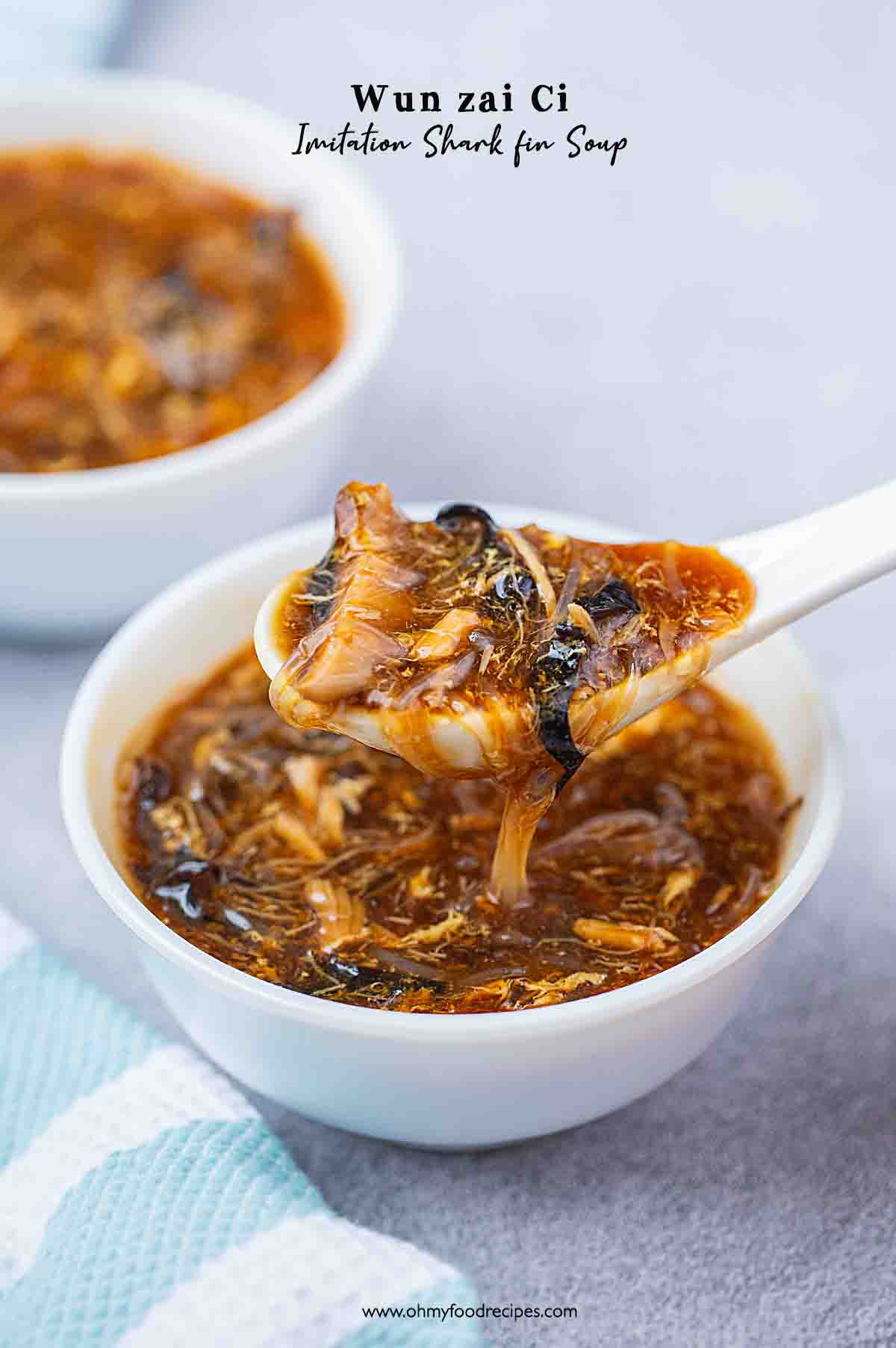
What Is Imitation Shark Fin Soup (Wun Zai Chi)?
Wun zai chi (碗仔翅), also spelled wan zai chi, is a classic Hong Kong street-food soup commonly known as imitation shark fin soup. The Cantonese name 碗仔翅 roughly means "small bowl of fin," referring to the inexpensive, individual bowls traditionally sold by Hong Kong street-food vendors.
Despite its name, wun zai chi does not contain real shark fin. Instead, mung bean vermicelli creates thin, fin-like strands in a thick, silky broth. The soup commonly includes shredded chicken or pork, shiitake mushrooms, wood ear mushrooms, egg, and seasonings that give it a rich, savory, umami flavor.
Wun zai chi became a popular and affordable Hong Kong street food inspired by the much more expensive shark fin soup. Over time, it became a familiar comfort food sold at street stalls and other casual eateries. For many Hong Kong people, including me, a warm bowl of wun zai chi brings back memories of enjoying simple street food as a child.
Today, you can easily make imitation shark fin soup at home without using shark fin. It can also be adapted into a vegetarian version by using mushrooms and vegetable broth instead of meat and chicken broth.
Why is wun zai chi called imitation shark fin soup?
The soup is called imitation shark fin soup because it mimics the appearance and texture of traditional shark fin soup without using real shark fin. Instead of actual shark fin, cooks use mung bean vermicelli (glass noodles), which become translucent and slightly chewy when cooked, creating a texture similar to shredded shark fin.
Traditional shark fin soup has long been considered a luxury banquet dish in Chinese cuisine. But real shark fins are expensive, environmentally harmful, and controversial. Later on, Hong Kong chefs developed an affordable, everyday version using simple ingredients. This is how wun zai chi (碗仔翅) became popular.
The imitation version keeps the savory, thick, glossy broth and the comforting flavor people love, but replaces shark fin with sustainable, accessible ingredients. Also, making it an ethical, budget-friendly option that many people can enjoy.
What Does Imitation Shark Fin Soup Taste Like?
Imitation shark fin soup has a rich, savory, umami-rich flavor and a thick, silky broth. The mung bean vermicelli, shredded chicken or pork, and mushrooms create a satisfying texture with thin strands throughout the soup.
While it is inspired by traditional shark fin soup, wun zai chi does not contain real shark fin. Instead, the vermicelli and shredded ingredients help recreate a similar appearance and texture in an affordable, comforting Hong Kong-style soup.
Why You'll Love This Imitation Shark Fin Soup Recipe
- Classic Hong Kong comfort food: This wun zai chi recipe recreates the savory, silky soup I remember enjoying growing up in Hong Kong.
- Rich and flavorful: Shiitake mushrooms, wood ear mushrooms, chicken, soy sauce, and seasonings create a delicious, umami-rich broth.
- No real shark fin: This imitation shark fin soup uses mung bean vermicelli to create the thin, fin-like strands without using actual shark fin.
- Easy to make at home: The ingredients and cooking steps are simple, making this comforting soup easy to recreate in your own kitchen.
- Easy to customize: Use shredded chicken or pork, adjust the thickness to your preference, or make a vegetarian version with mushrooms and vegetable broth.
- Great for sharing: Serve wun zai chi as an appetizer, snack, or comforting soup for family meals and gatherings.
Wun Zai Chi vs. Hot and Sour Soup: What's the Difference?
Wun zai chi (碗仔翅) and hot and sour soup may look similar because both are dark, thickened Chinese soups, but they are not the same dish. They have different origins, seasonings, ingredients, and flavors.
Wun zai chi, also known as imitation shark fin soup, is a classic Hong Kong street food. It has a thick, silky, savory broth and is generally mild rather than spicy or sour. It typically contains mung bean vermicelli, shredded chicken or pork, wood ear mushrooms, shiitake mushrooms, and egg. When served, you can add white pepper, sesame oil, and Chinese red vinegar according to your taste.
In contrast, hot and sour soup has a much more pronounced tangy, peppery, and spicy flavor. It commonly contains tofu, bamboo shoots, wood ear mushrooms, shiitake mushrooms, and egg. Vinegar provides the sourness, while white pepper and sometimes chili add heat.
The easiest way to tell them apart is by their flavor: wun zai chi is savory, mild, and silky, while hot and sour soup is tangy, peppery, and spicy. Although they may look similar in the bowl, they are two distinctly different Chinese soups.
How to Serve Wun Zai Chi
Wun zai chi is best served hot with classic Hong Kong-style condiments such as white pepper, Chinese red vinegar, and sesame oil. White pepper adds a gentle peppery kick, red vinegar adds a tangy contrast to the rich broth, and sesame oil adds a nutty aroma.
Growing up, I enjoyed adding these condiments according to my taste, just as you would when ordering a bowl of wun zai chi from a Hong Kong street-food stall. Start with a small amount and add more as desired so you don't overpower the soup's savory flavor.
Ingredients for Imitation Shark Fin Soup
This imitation shark fin soup (wun zai chi) uses simple ingredients to create its signature savory flavor and thick, silky texture. Here are the key ingredients and what each one adds to the soup:
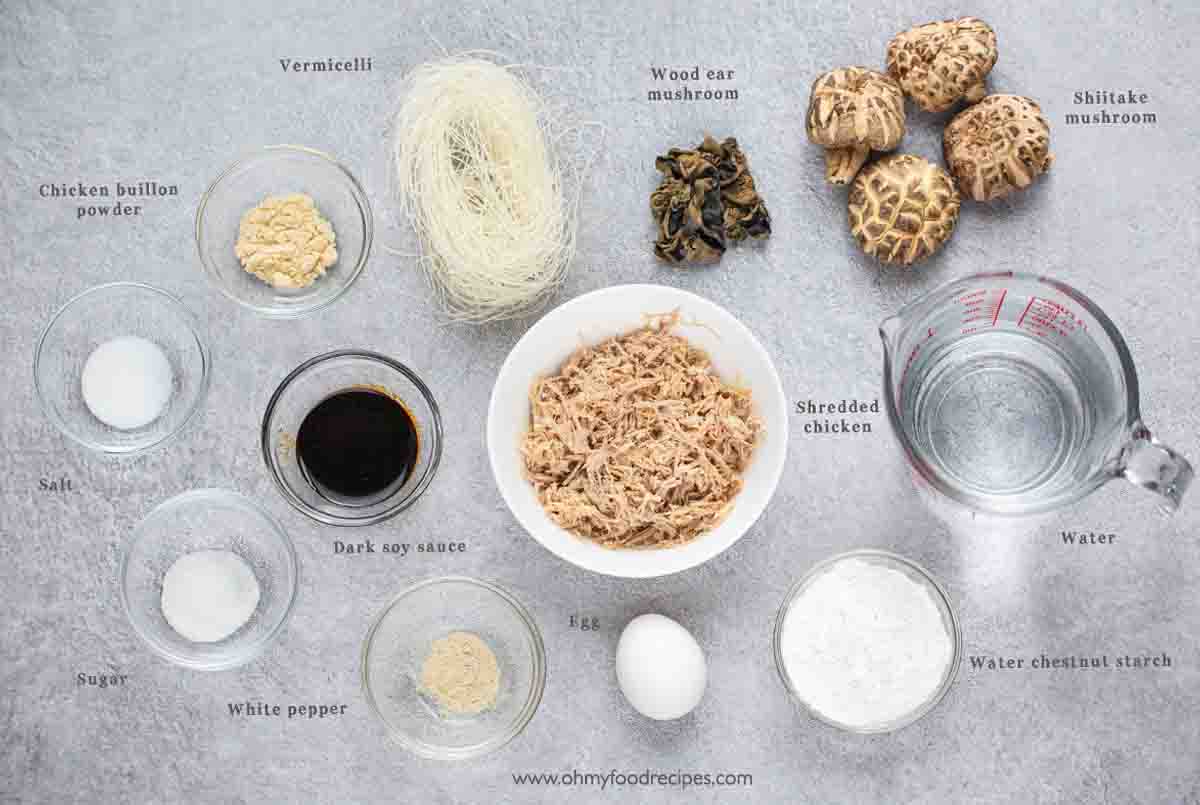
- Mung bean vermicelli noodles: These thin, translucent noodles create the characteristic fin-like strands in the soup. I like to cut them into shorter pieces so they blend well with the other shredded ingredients and are easier to eat.
- Shredded chicken or pork: Adds protein, flavor, and texture. Shred the meat into thin pieces so it blends well with the vermicelli and mushrooms.
- Dried wood ear mushrooms: Add a slightly crunchy texture that contrasts nicely with the smooth, silky broth.
- Dried shiitake mushrooms: Add a deep, savory umami flavor. Rehydrate the dried mushrooms before slicing or shredding them.
- Egg: Beaten egg creates delicate ribbons throughout the thickened soup and adds another layer of texture.
- Water: Forms the base of the soup and allows the flavors of the mushrooms, meat, and seasonings to come together.
- Chicken bouillon powder: Adds savory chicken flavor and enhances the umami taste of the broth. I use Lee Kum Kee chicken bouillon powder for this recipe, but you can use your preferred brand.

- Dark soy sauce: Adds savory flavor and gives wun zai chi its characteristic dark brown color.
- Salt and sugar: Balance and enhance the broth's savory flavors.
- White pepper: Adds a subtle peppery warmth without making the soup overly spicy.
- Water chestnut starch: Thickens the broth and gives imitation shark fin soup its signature smooth, silky, and glossy consistency.
Ingredient Substitutions
Here are some easy substitutions you can use to customize your imitation shark fin soup based on what you have available.
Mung Bean Vermicelli Noodles
Mung bean vermicelli noodles are my preferred choice for wun zai chi because their thin, translucent strands help create the distinctive fin-like appearance and texture. If you can't find mung bean vermicelli, you can substitute sweet potato starch noodles or other thin cellophane noodles. Keep in mind that the texture and cooking time may vary depending on the type of noodles you use.
Chicken or Pork
Traditionally, wun zai chi can be made with finely shredded chicken or pork. You can also substitute imitation crab, shrimp, ham, or tofu. For the best texture, shred or cut the protein into thin pieces so it blends well with the noodles and mushrooms.
Broth
Chicken broth works especially well for this imitation shark fin soup, but you can also use pork or beef broth. For a vegetarian version, substitute vegetable or mushroom broth. Mushroom broth is a good option when you want a deeper umami flavor without using meat.
Mushrooms
Wood ear mushrooms and dried shiitake mushrooms provide the classic combination of texture and savory flavor in wun zai chi. If needed, you can substitute or add enoki or oyster mushrooms, although the final texture and flavor will be slightly different.
Water Chestnut Starch and Other Thickeners
Water chestnut starch is my preferred thickener for wun zai chi because it gives the broth its signature thick, smooth, and glossy texture. Mix the starch with water to make a slurry, then gradually pour it into the hot soup while stirring until it reaches your desired consistency.

If you don't have water chestnut starch, you can substitute cornstarch, potato starch, or tapioca starch. Each starch thickens a little differently, so add the slurry gradually rather than all at once.
How to Store and Reheat Imitation Shark Fin Soup
How Long Does Imitation Shark Fin Soup Last?
Store leftover wun zai chi (imitation shark fin soup) in an airtight container in the refrigerator for up to 3 days. For the best flavor and texture, let the soup cool before refrigerating and reheat only the portion you plan to eat.
How Do You Reheat Wun Zai Chi?
You can reheat wun zai chi in the microwave in 1-minute intervals, stirring between each interval until heated through. You can also reheat it in a saucepan over medium-low heat, stirring occasionally.
The soup may thicken after refrigeration due to the starch and noodles. If this happens, add a small amount of water or broth while reheating and stir until the soup returns to a smooth, silky consistency.
Can You Freeze Wun Zai Chi?
I don't recommend freezing wun zai chi because the vermicelli noodles and thickened broth can change texture after freezing and thawing. This soup tastes best freshly made or refrigerated and enjoyed within a few days.
Tips for the Best Imitation Shark Fin Soup
- Soak the vermicelli just until soft: Soak the mung bean vermicelli for about 5-10 minutes, until softened but still slightly firm. Avoid over-soaking, or the noodles can become too soft and mushy when cooked in the soup.
- Cut the vermicelli into shorter pieces: Use kitchen scissors to cut the softened noodles into 2-3-inch pieces. The thin, short strands create the characteristic fin-like appearance of wun zai chi and make the soup easier to eat.
- Use wood ear and shiitake mushrooms: Wood ear mushrooms add a slightly crunchy texture, while shiitake mushrooms provide a deeper, savory, umami-rich flavor. Together, they give the soup a nice contrast of flavors and textures.
- Shred the meat thinly: Finely shredded pork is commonly used in wun zai chi, but shredded chicken works well too. Thin strands blend better with the vermicelli and mushrooms, giving the soup its signature shredded texture.
- Thicken the soup gradually: I like to use water chestnut starch to create the smooth, silky, and glossy consistency of wun zai chi. Add the starch slurry gradually while stirring, and stop when the broth is thick enough to lightly coat the ingredients without becoming gluey. Cornstarch, potato starch, or tapioca starch can also be used.
- Don't overcook the noodles: The vermicelli will continue to absorb the broth as the soup sits. Once the noodles are tender and the broth reaches the right consistency, avoid cooking it longer than necessary.
- Serve it hot: Wun zai chi tastes best freshly made, when the broth is silky, and the noodles have not absorbed too much liquid.
- Season to taste: When serving, add a little white pepper, Chinese red vinegar, or sesame oil to taste. Start with a small amount so the condiments complement rather than overpower the savory broth.
Imitation Shark Fin Soup Troubleshooting
Why Is My Soup Too Thick?
The starch and vermicelli noodles will continue to thicken the soup as they cook and sit. If your wun zai chi becomes too thick, gradually stir in a small amount of hot water or broth until it reaches a smooth, silky consistency.
Why Is My Soup Too Thin?
If the broth is too thin, mix a little more water chestnut starch with cold water to make a slurry. Slowly add it to the simmering soup while stirring. Allow the soup to cook briefly before adding more because the broth will continue to thicken as the starch cooks.
Why Is My Vermicelli Mushy?
The vermicelli may become mushy if it is soaked for too long or overcooked in the soup. Soak the noodles for only 5-10 minutes, until softened but still slightly firm, and avoid simmering them longer than necessary.
How Do I Prevent Lumps When Thickening the Soup?
Always mix the starch with cold water before adding it to the hot broth. Slowly pour in the slurry while stirring continuously to distribute the starch evenly and prevent lumps.
FAQs About Imitation Shark Fin Soup:
Mung bean vermicelli noodles are commonly used in imitation shark fin soup. The thin noodles become soft and translucent when cooked, creating the fin-like strands that give wun zai chi its distinctive appearance and texture. I like to cut the vermicelli into shorter pieces so the soup is easier to eat.
No. Wun zai chi is an imitation shark fin soup and does not contain real shark fin. Mung bean vermicelli and finely shredded ingredients are used to create its characteristic fin-like appearance and texture.
No, traditional wun zai chi is generally mild and savory rather than spicy. White pepper can add a gentle peppery kick, and you can add chili oil or chili crisp for more heat.
Yes. You can make imitation shark fin soup ahead of time and store it in an airtight container in the refrigerator for up to 3 days. The soup will thicken as it sits.
Yes. Although wun zai chi is commonly made with shredded chicken or pork and a meat-based broth, you can make a vegetarian version by using vegetable or mushroom broth and omitting the meat. Add extra shiitake mushrooms, wood ear mushrooms, tofu, or other vegetables for additional flavor and texture.
How to Make Imitation Shark Fin Soup (Wun Zai Chi)

Preparation:
1. Rinse 4 medium-sized dried shiitake mushrooms (1.5 oz) in the bowl. Then, add 2 cups of water and soak them for 4-6 hours. (I usually soak them the night before I need to use them.)
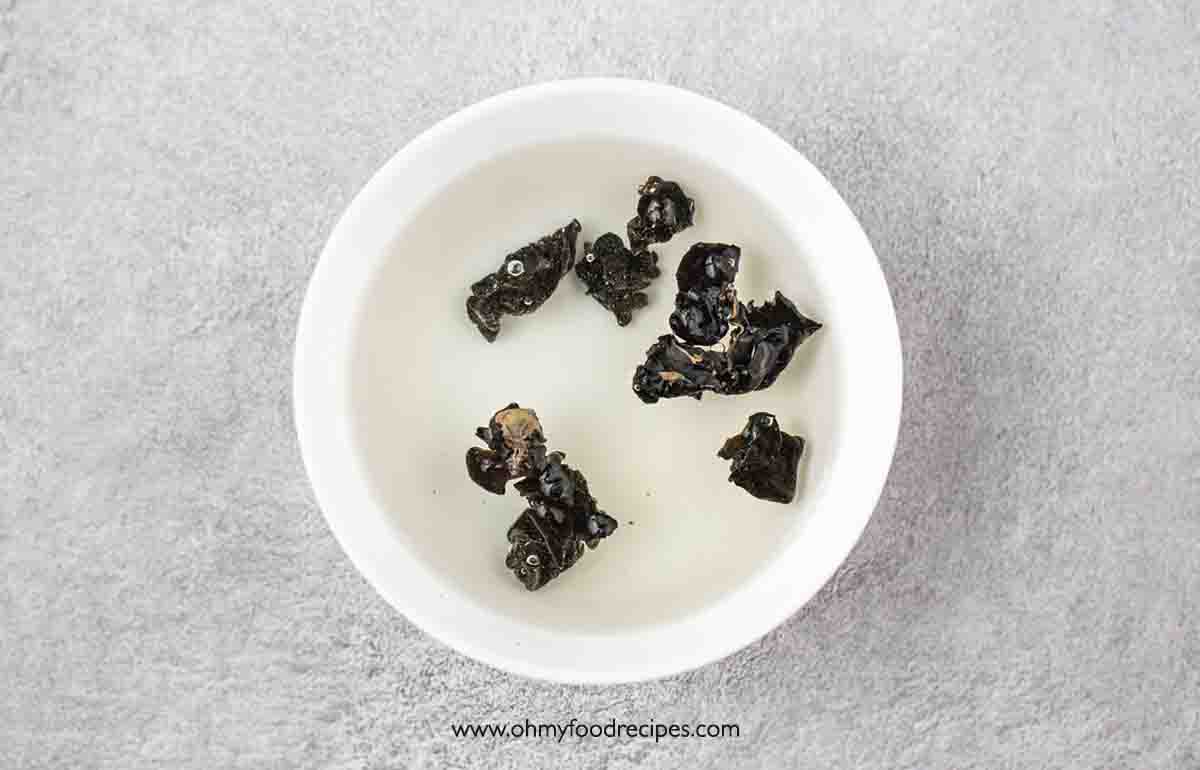
2. Then, wash and soak 10 pieces of dried wood ear mushrooms (0.2 oz). Pour 2 cups of water into the bowl and let it soak for 30 minutes.
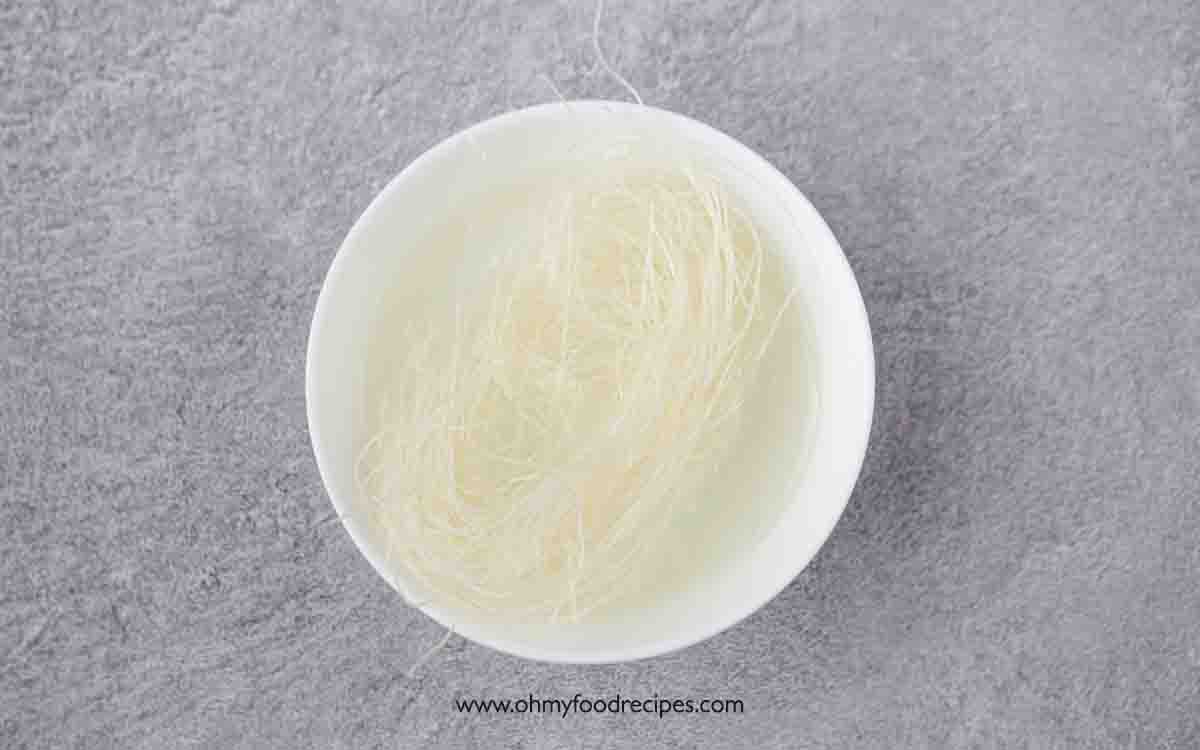
3. After that, add 2 cups of water and soak 1 bunch of mung bean vermicelli noodles (1.3 oz) for 15 minutes.

Cutting:
4. When the shiitake mushrooms are ready, cut the soaked mushrooms into slices.
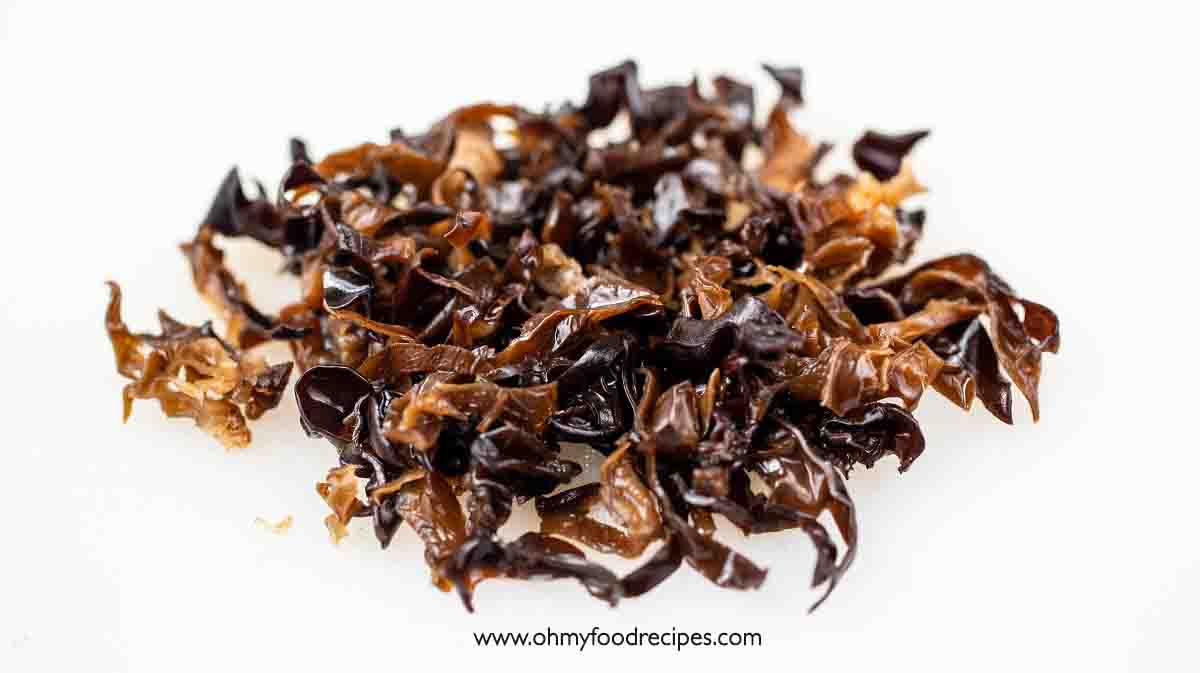
5. Cut the soaked wood ear mushrooms into strips.
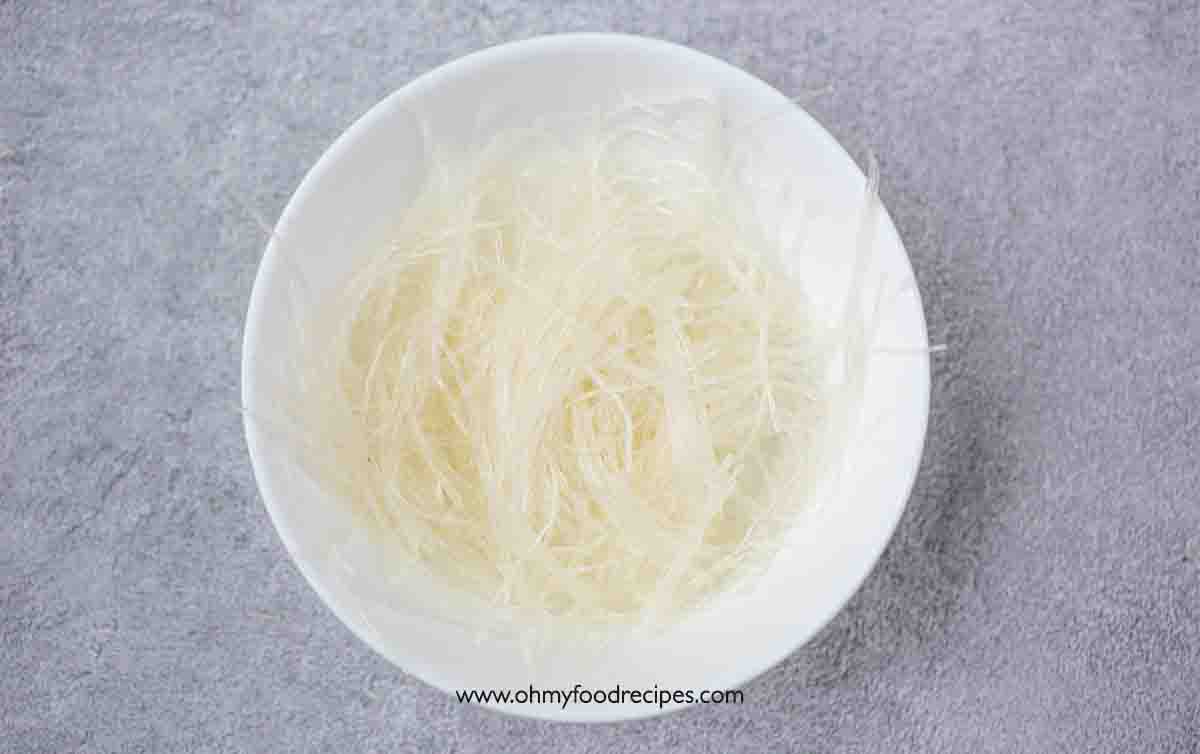
6. Next, cut the soaked mung bean vermicelli noodles into 2-3 inches long.

7. Put the mushrooms and vermicelli noodles on a plate and put them aside.
Cooking:
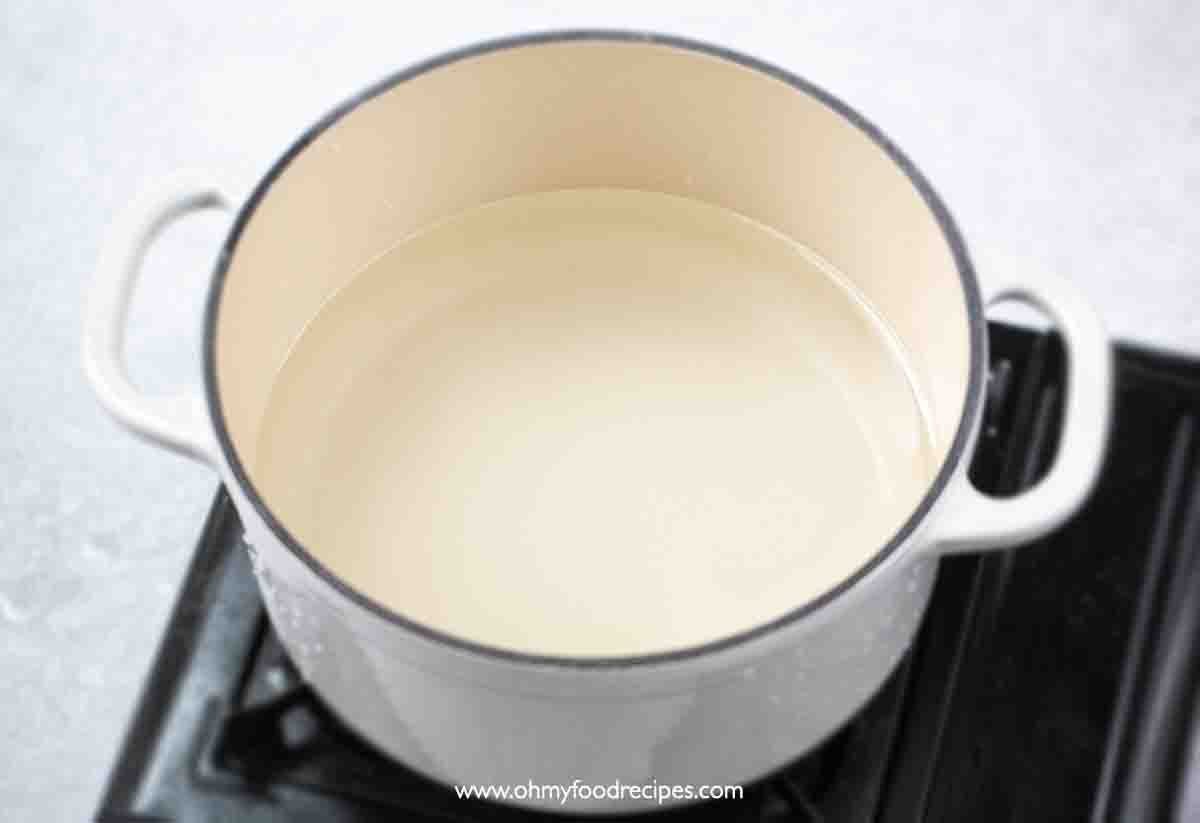
8. Pour 5.5 cups of water into a pot. Turn on high fire. Add 2.5 teaspoons of chicken bouillon powder, ½ teaspoon of sugar, and 1 teaspoon of salt. Stir it well.

9. Add the cut shiitake mushrooms and wood ear mushrooms into the pot from step 7. Let it cook for 10 minutes over medium-low heat.

10. After, add the mung bean vermicelli noodles and cook for 1-2 minutes. Then, add 1 cup of shredded chicken or pork (3.5 oz). Stir it well.

11. Add ¼ teaspoon of white pepper and 1 tablespoon of dark soy sauce, and stir them.

12. Crack and beat an egg in a bowl. Next, add the egg to the soup. Keep stirring while adding the egg.
Thickening:
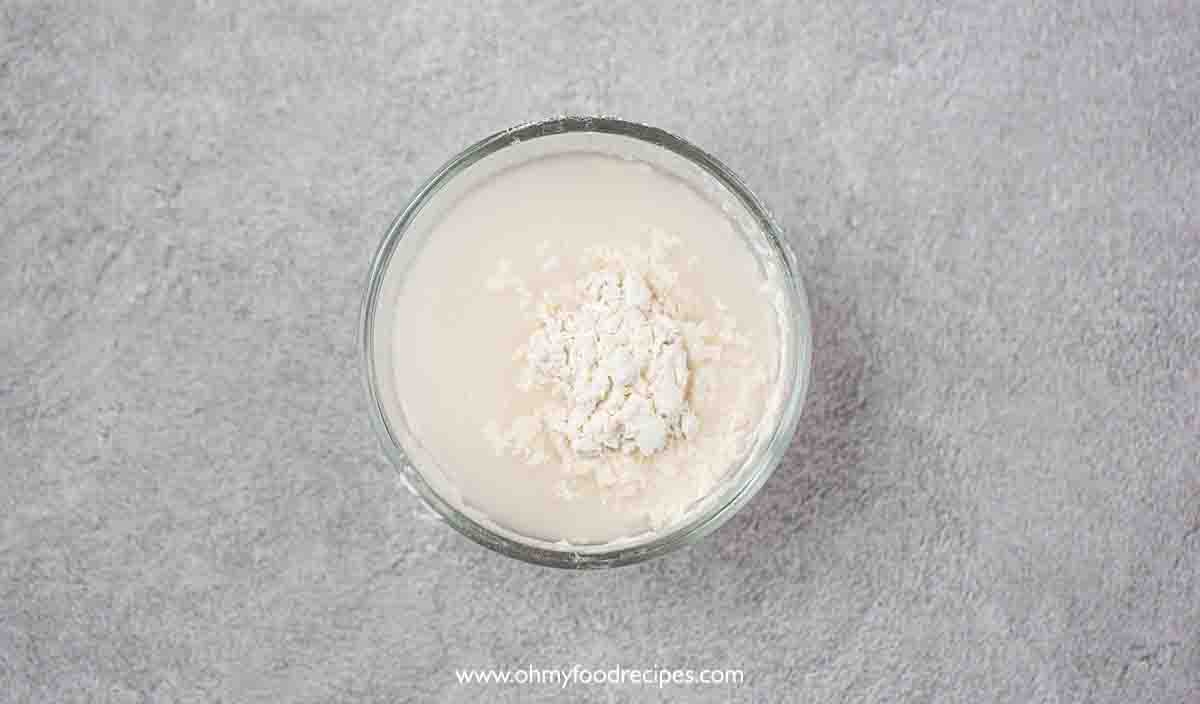
13. In a small container, pour 6 tablespoons of water and 7 tablespoons of water chestnut starch, and mix them well. Then pour the water chestnut starch mixture into the soup, stirring as you add it to achieve an even, smooth texture.

14. When it's ready to serve, you can drizzle some sesame oil, Chinese red vinegar, and a sprinkle of white pepper for extra flavor. This is totally optional.

Enjoy this tasty, classic Hong Kong imitation shark fin soup (wun zai chi) recipe! Also, check out these authentic recipes: beef and broccoli, steamed shrimp with vermicelli, Chinese sticky rice, claypot rice, watercress soup, and pork congee.
More Hong Kong and Cantonese Recipes You'll Love
- Har Gow (Shrimp Dumplings) - Classic Cantonese dim sum with a translucent wrapper and juicy shrimp filling.
- Curry Fish Balls and Radish - A popular Hong Kong street-food favorite that pairs especially well with your wun zai chi topic.
- Cheung Fun (Rice Noodle Rolls) - Another classic Cantonese dish commonly enjoyed in Hong Kong.
- Soy Sauce Chicken Wings - Savory Cantonese-style chicken wings cooked in a flavorful soy sauce mixture.
Subscribe to Oh My Food Recipes to get our new recipes delivered straight to your inbox! Follow along on Facebook, Pinterest, and Instagram for all the latest updates.

Imitation Shark Fin Soup (Wun zai chi)
Equipment
- 1 Pot
Video
Ingredients
- 4 medium-sized Dried shiitake mushrooms (1.5oz)
- 10 pieces Dried wood ear mushrooms (0.2 oz)
- 1 bunch Mung bean vermicelli noodles (1.3 oz)
- 1 large Egg
- 1 cup Shredded chicken or pork (3.5 oz)
- 5.5 cups Water
- 1 teaspoon Salt
- 2.5 teaspoons Chicken bouillon powder
- ½ teaspoon Sugar
- 1 tablespoon Dark soy sauce
- ¼ teaspoon White pepper
Thicken Sauce:
- 7 tablespoons Water chestnut starch
- 6 tablespoons Water
Optional Condiments:
- ¼ teaspoon Sesame oil
- ¼ teaspoon Chinese red vinegar
- ⅛ teaspoon White pepper
Instructions
- Rinse 4 medium-sized dried shiitake mushrooms (1.5 oz) in the bowl. Then, add 2 cups of water and soak them for 4-6 hours. (I usually soak them the night before I need to use them.)
- Then, wash and soak 10 pieces of dried wood ear mushrooms (0.2 oz). Pour 2 cups of water into the bowl and let it soak for 30 minutes.
- After that, add 2 cups of water and soak 1 bunch of mung bean vermicelli noodles (1.3 oz) for 15 minutes.
- When the shiitake mushrooms are ready, cut the soaked mushrooms into slices.
- Cut the soaked wood ear mushrooms into strips.
- Next, cut the soaked mung bean vermicelli noodles into 2-3 inches long.
- Put the mushrooms and vermicelli noodles on a plate and put them aside.
- Pour 5.5 cups of water into a pot. Turn on high fire. Add 2.5 teaspoons of chicken bouillon powder, ½ teaspoon of sugar, and 1 teaspoon of salt. Stir it well.
- Add the cut shiitake mushrooms and wood ear mushrooms into the pot from step 7. Let it cook for 10 minutes with a medium-small fire.
- After, add the mung bean vermicelli noodles and cook for 1-2 minutes. Then, add 1 cup of shredded chicken or pork (3.5 oz). Stir it well.
- Add ¼ teaspoon of white pepper and 1 tablespoon of dark soy sauce, and stir them.
- Crack and beat an egg in a bowl. Next, add the egg to the soup. Keep stirring while adding the egg.
- In a small container, pour 6 tablespoons of water and 7 tablespoons of water chestnut starch, and mix them well. Then pour the water chestnut starch mixture into the soup, stirring as you add it to achieve an even, smooth texture.
- When it's ready to serve, you can drizzle some sesame oil, Chinese red vinegar, and a sprinkle of white pepper for extra flavor. This is totally optional.
Notes
Tips for the Best Imitation Shark Fin Soup
- Soak the vermicelli just until soft: Soak the mung bean vermicelli for about 5-10 minutes, until softened but still slightly firm. Avoid over-soaking, or the noodles can become too soft and mushy when cooked in the soup.
- Cut the vermicelli into shorter pieces: Use kitchen scissors to cut the softened noodles into 2-3-inch pieces. The thin, short strands create the characteristic fin-like appearance of wun zai chi and make the soup easier to eat.
- Use wood ear and shiitake mushrooms: Wood ear mushrooms add a slightly crunchy texture, while shiitake mushrooms provide a deeper, savory, umami-rich flavor. Together, they give the soup a nice contrast of flavors and textures.
- Shred the meat thinly: Finely shredded pork is commonly used in wun zai chi, but shredded chicken works well too. Thin strands blend better with the vermicelli and mushrooms, giving the soup its signature shredded texture.
- Thicken the soup gradually: I like to use water chestnut starch to create the smooth, silky, and glossy consistency of wun zai chi. Add the starch slurry gradually while stirring, and stop when the broth is thick enough to lightly coat the ingredients without becoming gluey. Cornstarch, potato starch, or tapioca starch can also be used.
- Don't overcook the noodles: The vermicelli will continue to absorb the broth as the soup sits. Once the noodles are tender and the broth reaches the right consistency, avoid cooking it longer than necessary.
- Serve it hot: Wun zai chi tastes best freshly made, when the broth is silky, and the noodles have not absorbed too much liquid.
- Season to taste: When serving, add a little white pepper, Chinese red vinegar, or sesame oil to taste. Start with a small amount so the condiments complement rather than overpower the savory broth.




LdyTlfrd says
A banquet favourite when I was younger. My adult kids remember having this at weddings.
Sugar is listed in your ingredient list but do not mention when/where to add it in the steps.
Tracy O. says
Thank you for your comment. I will fix it.
Tracy O. says
This is my childhood snack!