
Har gow, or har gau (蝦餃), also known as Chinese shrimp dumplings, is one of the most iconic Cantonese dim sum dishes. These delicate steamed dumplings are known for their thin, translucent wrappers and juicy shrimp filling. Growing up in Macau, Hong Kong, and southern China, har gow was one of the dim sum dishes my family enjoyed almost every weekend. It remains one of my favorite dim sum classics and inspired me to create this authentic homemade har gow recipe.
Making har gow by hand requires patience and precision, and its delicate crystal wrapper is considered one of the most challenging dim sum wrappers to master. After making and testing this recipe many times, I've learned the small techniques that help home cooks achieve tender, juicy shrimp filling and restaurant-quality translucent wrappers at home.
Like steamed meatballs, siu mai, custard buns, taro buns, congee, cheung fun, yu choy sum, soy sauce noodles, turnip cake, sesame balls, lo mai gai, gai lan, you choy sum, and steamed pork ribs, har gow is a staple on traditional dim sum carts and restaurant menus. This easy shrimp har gow recipe includes step-by-step photos, expert cooking tips, and a video tutorial to help you confidently make authentic Cantonese shrimp dumplings at home.
Love Chinese food? Let's check out these tomato fish, coconut bread, cream buns, wun zai chi, eggplant pork, mapo tofu, hair gourd vermicelli, tomato eggs, and garlic chive eggs recipes.
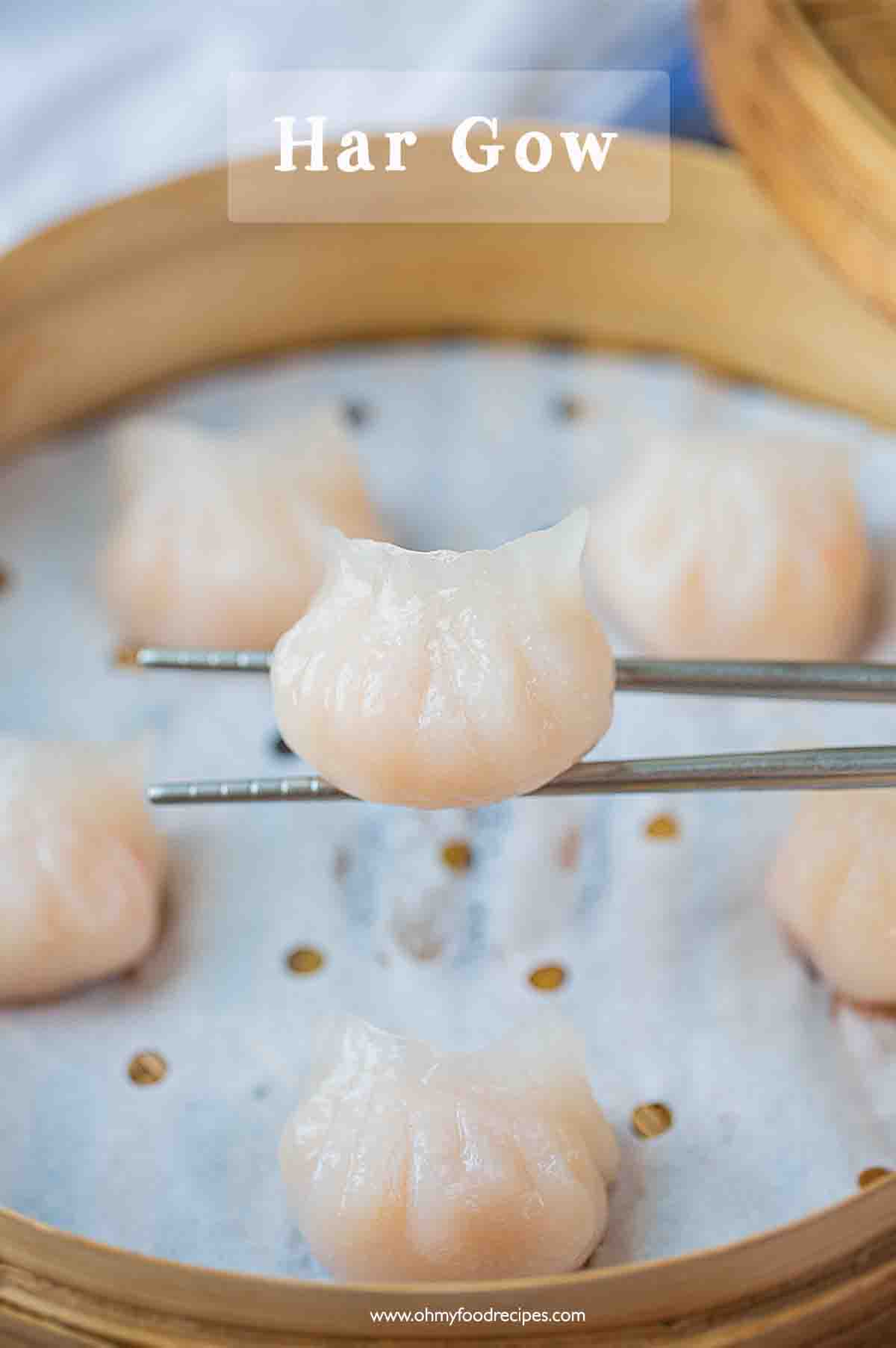
What Is Har Gow?
Har gow (蝦餃), also known as Chinese shrimp dumplings or crystal shrimp dumplings, is one of the most iconic Cantonese dim sum dishes. It is pronounced ha1 gaau2 in Cantonese and "xiā jiǎo" (虾饺) in Mandarin. These delicate steamed dumplings are famous for their thin, translucent wrappers and juicy shrimp filling.
Har gow is a staple of traditional Cantonese dim sum, a dining style featuring small, shareable dishes served in bamboo steamers alongside Chinese tea. Other popular dim sum favorites include siu mai, cheung fun, steamed meatballs, lo mai gai, turnip cake, sesame balls, custard buns, taro buns, congee, gai lan, you choy sum, and steamed pork ribs. Among the many dim sum offerings, har gow is considered a signature dish and a must-order at most Chinese restaurants.
One reason har gow is so highly regarded is its delicate wrapper, traditionally made from wheat starch and tapioca starch, which becomes soft and translucent after steaming. Making the wrapper requires precision and skill, making har gow one of the most challenging dim sum dumplings to prepare. Combined with its fresh shrimp filling and handcrafted wrapper, it's also one of the more premium items on a dim sum menu.
What Does Har Gow Taste Like?
Har gow has a light, fresh shrimp flavor and delicate seasonings that let the shrimp's natural sweetness shine. The thin, translucent wrapper is soft with a slightly chewy texture, perfectly complementing the juicy, tender, and bouncy shrimp filling. Unlike heavily seasoned dumplings, har gow is prized for its clean, delicate taste and balanced texture.
Har gow is delicious on its own, but it's also commonly served with soy sauce, chili oil, XO sauce, or garlic chili sauce for an extra layer of savory, spicy flavor. Paired with hot Chinese tea, it's easy to see why this classic Cantonese dim sum favorite is loved around the world.
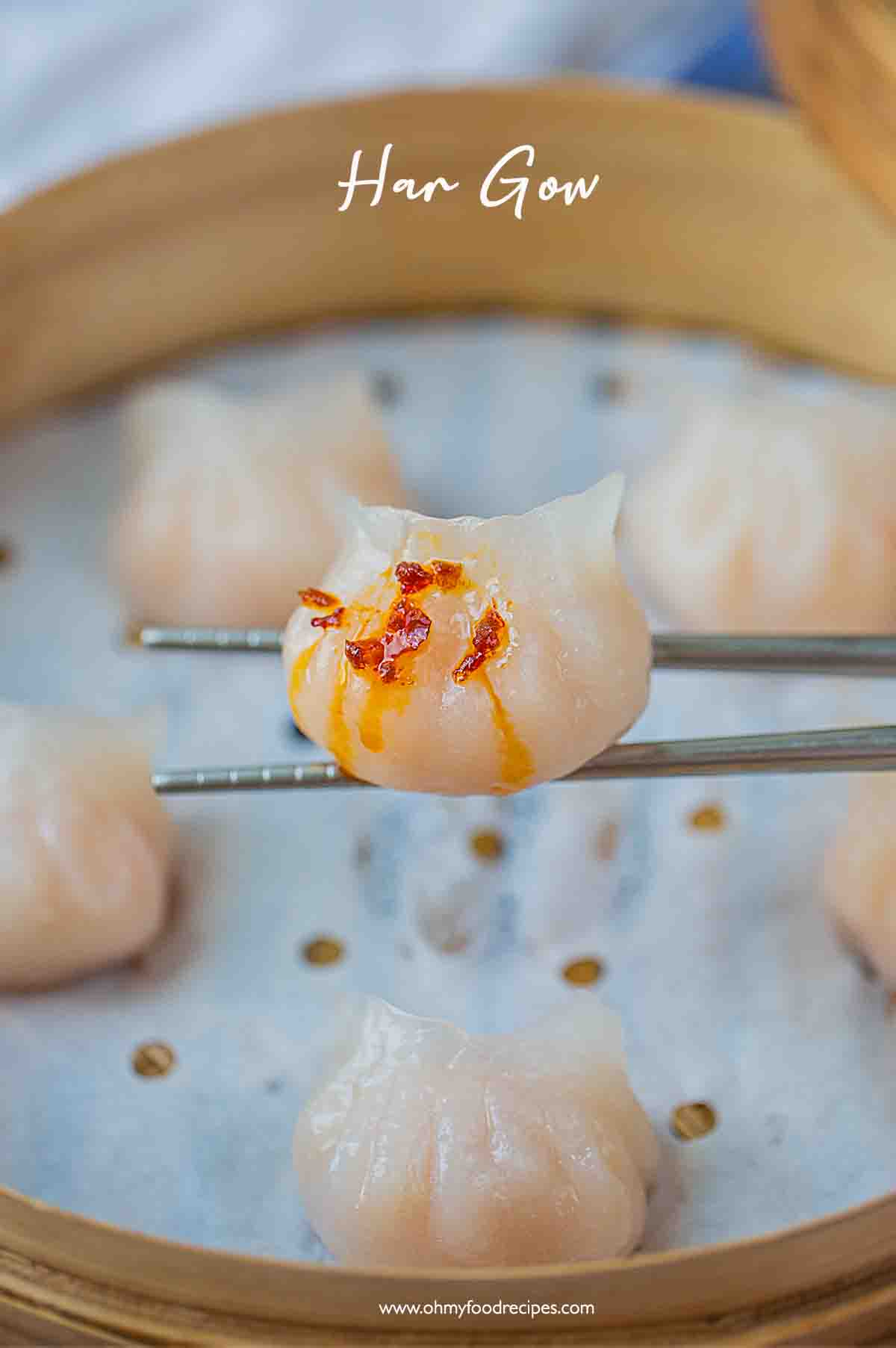
Why You'll Love This Har Gow Recipe
- Authentic Cantonese recipe
- Restaurant-quality translucent wrapper
- Juicy shrimp filling
- Step-by-step photos
- Video tutorial
- Freezer-friendly
Har Gow vs. Siu Mai: What's the Difference?
Although both are classic Cantonese dim sum favorites, har gow and siu mai differ in their wrappers, fillings, appearance, and texture.
| Har Gow | Siu Mai |
| Thin, translucent wrapper made with wheat starch and tapioca starch | Thin yellow wonton wrapper made with wheat flour |
| Crescent-shaped with 8–12 pleats | Open-topped, cup-shaped dumpling |
| Filled mainly with fresh shrimp and bamboo shoots | Filled with ground pork, shrimp, mushrooms, and sometimes crab roe |
| Soft, slightly chewy wrapper with a light, delicate flavor | Tender wrapper with a hearty, savory, umami-rich filling |
| Elegant and shrimp-forward | Rich, meaty, and satisfying |
Har gow is prized for its delicate, crystal-clear wrapper, juicy shrimp filling, and refined texture, while siu mai is known for its hearty pork-and-shrimp filling and open-topped appearance. Both are must-order dishes at Cantonese dim sum restaurants and are often served together with tea.
What Are the Ingredients for Har Gow (Chinese Shrimp Dumplings)?
This authentic homemade har gow recipe uses a handful of simple ingredients to create the signature translucent wrapper and juicy shrimp filling found in traditional Cantonese dim sum. Each ingredient plays an important role in achieving the delicate texture and fresh flavor that make har gow one of the most beloved dim sum dishes.
For the Har Gow Wrapper
- Wheat starch - Creates the soft, translucent wrapper that gives har gow its signature crystal-like appearance after steaming.
- Tapioca starch - Adds elasticity and a slightly chewy texture, helping the wrapper stay pliable without tearing.
- Salt - Enhances the flavor of the wrapper.
- Hot boiling water - Essential for gelatinizing the starches, creating a smooth, workable dough. Using freshly boiled water is one of the keys to making successful har gow wrappers.
- Vegetable oil - Keeps the dough soft, flexible, and easier to roll and pleat.
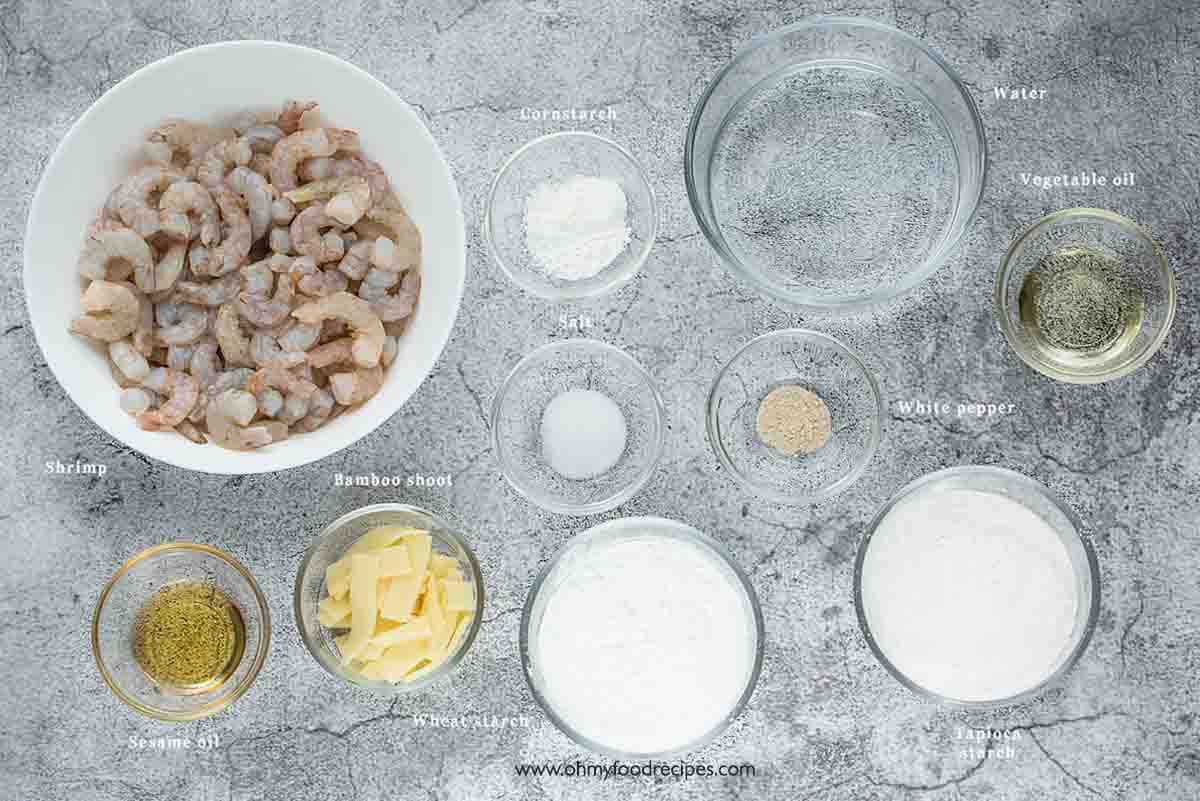
For the Shrimp Filling
- Raw shrimp - Fresh shrimp provide the naturally sweet, juicy, and bouncy texture that defines authentic har gow.
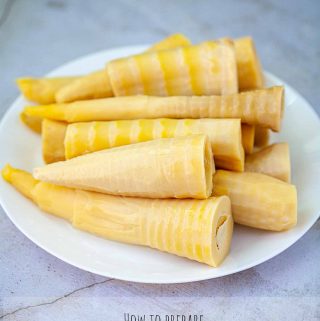
- Bamboo shoots- Add a subtle crunch and mild sweetness that perfectly complement the shrimp.
- Cornstarch - Helps bind the filling while keeping it moist and tender.
- Sesame oil - Adds a delicate nutty aroma without overpowering the shrimp.
- White pepper - Lightly seasons the filling while enhancing the shrimp's natural sweetness.
Why chop half and mince half the shrimp?
Using a combination of roughly chopped and finely minced shrimp is the secret to achieving the best har gow texture. The minced shrimp helps bind the filling together, creating that signature bouncy, cohesive bite, while the chopped shrimp pieces stay juicy and firm, giving each dumpling a satisfying "meaty" texture. This contrast is what makes the filling taste more authentic and prevents it from becoming too pasty or uniform.
Together, these simple ingredients create the delicate balance of flavors and textures that has made har gow one of the most iconic Cantonese dim sum dishes for generations.
Har Gow Substitutions:
Because har gow relies on its delicate translucent wrapper and simple shrimp filling, there are only a few substitutions that produce good results.
Wheat Starch
Do not substitute with cornstarch. Cornstarch cannot create the translucent, chewy wrapper that makes authentic har gow unique. Wheat starch is essential for achieving the traditional crystal-clear appearance and texture.
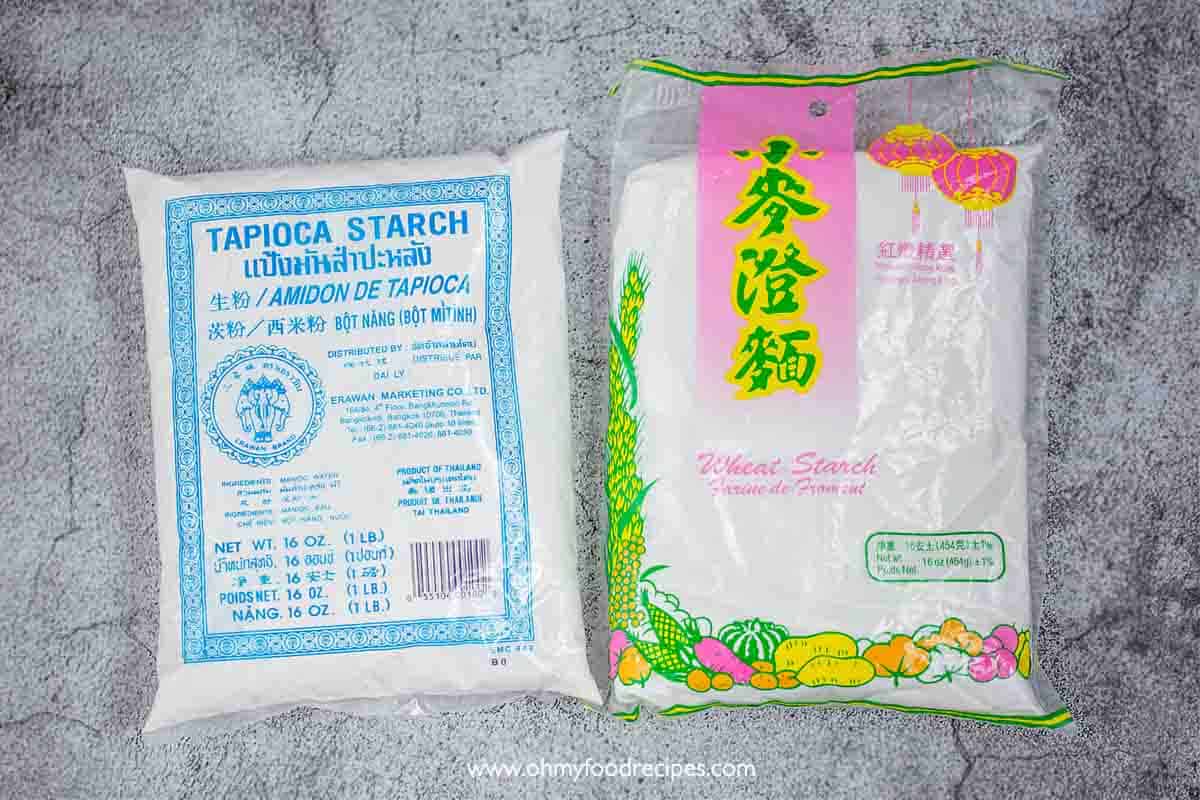
Tapioca Starch
If necessary, you can substitute potato starch for a similar chewy texture. However, the wrapper may not be as elastic or translucent as one made with tapioca starch.
Shrimp
Use raw shrimp whenever possible. Fresh or properly thawed frozen shrimp both work well. I do not recommend pre-cooked shrimp because it can become rubbery after steaming and doesn't provide the same juicy, bouncy texture.
Bamboo Shoots
If you don't have bamboo shoots, you can leave them out. However, they add a subtle crunch and fresh flavor that complements the shrimp. Water chestnuts can also be used for a similar crisp texture.
Sesame Oil
You can omit the sesame oil if needed, but it adds a light nutty aroma that enhances the filling.
White Pepper
Ground black pepper can be used in a pinch, although the flavor will be slightly stronger and less traditional.
Har Gow Variations:
Although traditional Cantonese har gow is made with shrimp and bamboo shoots, there are several delicious variations you can try based on your preferences.
Shrimp and Pork Har Gow
Add a small amount of ground pork to the shrimp filling for a richer, juicier dumpling. This variation is popular in some dim sum restaurants and home kitchens.
Shrimp and Water Chestnut Har Gow
Replace the bamboo shoots with finely diced water chestnuts for a similar crisp texture and mild sweetness.
Shrimp and Chive Har Gow
Mix chopped Chinese chives or green onions into the shrimp filling for a fresh, savory flavor.
Scallop and Shrimp Har Gow
Combine chopped fresh scallops with shrimp for a more luxurious seafood filling. The scallops add natural sweetness and a tender texture.
Storage & Reheating:
How to Store Cooked Har Gow?
Let the cooked har gow cool completely to room temperature. Arrange the shrimp dumplings in a single layer in an airtight container lined with parchment paper to help prevent sticking. Store them in the refrigerator for up to 2 days.
How to Freeze Uncooked Har Gow?
Arrange the uncooked shrimp dumplings in a single layer on a parchment-lined baking sheet or tray. Freeze for 1-2 hours, or until firm. Transfer the frozen dumplings to a freezer-safe zip-top bag or airtight container, label with the date, and freeze for up to 1 month for the best quality.
How to Reheat Har Gow?
The best way to reheat har gow is to steam it, which helps keep the wrapper soft and the shrimp filling juicy. Steam refrigerated dumplings over medium heat for 3-5 minutes, or until heated through.
If you're short on time, you can microwave refrigerated har gow. Place the dumplings on a microwave-safe plate, cover them with a damp paper towel, and heat in 15-30 second intervals until warm. The damp paper towel helps prevent the wrappers from drying out.
How to Cook Frozen Har Gow?
There's no need to thaw frozen har gow before cooking. Steam the dumplings directly from the freezer over low to medium heat for about 10-15 minutes, or until the wrappers become translucent and the shrimp filling is fully cooked. I usually steam mine for 15 minutes, which gives the wrappers time to become tender while keeping the filling juicy.
Why Is Har Gow So Difficult to Make?
Har gow is widely considered one of the most challenging Cantonese dim sum dishes to master because of its delicate translucent wrapper. Unlike regular dumpling dough, the wrapper is made with wheat starch and tapioca starch, which must be mixed with freshly boiled water to create a smooth, pliable dough. The dough cools quickly, making it more difficult to roll and shape.
The wrapper must also be rolled thin enough to become translucent after steaming, yet strong enough to hold the juicy shrimp filling without tearing. Achieving this balance takes patience and practice. Traditionally, skilled dim sum chefs hand-pleat each dumpling with 7 to 13 folds, creating the elegant crescent shape that har gow is known for.
Growing up in Macau, Hong Kong, and southern China, I watched and enjoyed har gow at dim sum restaurants from an early age. After making and testing this recipe many times, I've found that using freshly boiled water, keeping the dough covered while working, and rolling one wrapper at a time are the small details that make the biggest difference in creating restaurant-quality har gow at home.
Expert Tips for Making Perfect Har Gow:
These simple techniques can make the difference between homemade shrimp dumplings and restaurant-quality har gow.
Dough Tips:
- Use freshly boiled water. Immediately pour the boiling water into the wheat starch mixture, stir briefly, cover, and let it rest for 15 minutes. This step gelatinizes the starches and creates a smooth, pliable dough.
- Add the oil in two additions. Incorporating the oil gradually helps produce a smoother, more elastic dough.
- Knead until smooth. Knead the dough for about 5 minutes, then divide it into 20-22 equal pieces.
- Keep the dough covered. Har gow dough dries out quickly. Always keep the unused dough covered with plastic wrap or a damp towel while shaping the dumplings.
- Lightly oil your tools and hands. Brush a little oil on your knife or dough scraper before pressing the wrappers, and lightly oil your fingers to prevent sticking while folding.
Wrapper Tips:
- Roll the wrapper to about 2 mm thick. It should be thin enough to become translucent after steaming but thick enough to hold the filling without tearing. Keep the center slightly thicker than the edges for extra support.
- Don't overfill the dumplings. Use about 1 teaspoon of filling per wrapper. Too much filling makes the delicate wrapper difficult to seal and more likely to tear during pleating or steaming.
- Seal tightly. Traditional har gow usually has 7-13 pleats, but don't worry about counting them. A secure seal is far more important than the number of pleats.
Filling Tips:
- Use raw shrimp. Raw shrimp stays juicy and develops the signature bouncy texture after steaming.
- Chop the shrimp two ways. Finely mince half into a paste and roughly chop the rest. This combination creates a filling that's both tender and pleasantly chunky.
Steaming Tips:
- Line your steamer. Use parchment paper with holes or cabbage leaves to prevent the dumplings from sticking.
- Steam over medium heat. Steam freshly made har gow for 8-10 minutes, or 15 minutes if cooking from frozen. Avoid very high heat, which can cause the wrappers to crack or burst.
- Know when they're done. The wrappers should turn translucent, and the shrimp should be firm, opaque, and fully cooked.
Serving & Freezing Tips:
- Serve immediately. Har gow is best enjoyed fresh from the steamer while the wrappers are soft and delicate. Let the dumplings cool for a minute or two before eating to avoid burning yourself.
- Freeze before steaming. Arrange uncooked dumplings in a single layer on a tray until frozen, then transfer them to a freezer bag. Steam directly from frozen-there's no need to thaw them first.
Troubleshooting:
Why Do My Har Gow Wrappers Crack or Fall Apart?
The most common cause is not using freshly boiled water when making the dough. Pour the boiling water into the wheat starch mixture immediately, stir briefly, cover, and let it rest for about 15 minutes. This step gelatinizes the starches and creates a smooth, workable dough. If the dough becomes too dry or cools while you're shaping the dumplings, the wrappers may crack. Keep the unused dough covered with plastic wrap or a damp towel, and steam over medium heat to prevent the wrappers from drying out or bursting.
Why Aren't My Har Gow Wrappers Translucent?
The wrappers may be too thick or the dough may not have been made correctly. Roll each wrapper to about 2 mm thick, keeping the center slightly thicker than the edges. Using wheat starch, tapioca starch, and freshly boiled water is essential for achieving the signature crystal-clear wrapper.
Why Is My Har Gow Wrapper Too Sticky?
If the dough feels sticky, it may have absorbed too much moisture or hasn't cooled enough before kneading. Lightly oil your hands and work surface instead of adding extra starch, which can make the wrappers dry and brittle.
Why Is My Wrapper Too Thick or Chewy?
A wrapper that's too thick won't become delicate after steaming. Roll the edges thinner while leaving the center slightly thicker to support the filling. Thick wrappers result in a chewy, doughy texture instead of the soft, tender bite authentic har gow is known for.
Why Is My Filling Rubbery?
Overcooked shrimp or pre-cooked shrimp can become rubbery. Use raw shrimp and steam the dumplings only until the shrimp is fully cooked. Chopping part of the shrimp into a paste while leaving the rest roughly chopped also creates a juicier, bouncier filling.
Why Do My Dumplings Stick to the Steamer?
Always line the steamer with parchment paper that has holes, cabbage leaves, or a lightly oiled steamer liner. This prevents the delicate wrappers from sticking and tearing when you remove the dumplings.
Why Did My Har Gow Burst While Steaming?
Har gow can burst during steaming if the wrappers are overfilled, not sealed tightly, or steamed over heat that is too high. Use about 1 teaspoon of filling per wrapper, leaving enough space around the edges to seal securely. Press the edges together firmly before pleating to help prevent the filling from leaking out.
For the best results, steam the shrimp dumplings over low to medium heat rather than high heat. Gentle steaming allows the delicate wrappers to cook evenly without expanding too quickly, which helps prevent them from splitting or bursting.
Why Is My Dough Hard to Work With?
Har gow dough dries out quickly. Keep the unused dough covered with plastic wrap or a damp towel while shaping each dumpling. If the dough becomes dry, the wrappers are more likely to crack and become difficult to roll.
FAQs:
Yes! Har gow is best made ahead and frozen before steaming. Arrange the uncooked dumplings in a single layer on a parchment-lined tray and freeze until firm. Transfer them to a freezer-safe bag or airtight container, then steam them directly from frozen when you're ready to enjoy them.
Har gow is delicious on its own, but it's traditionally served with soy sauce. You can also enjoy it with chili oil, XO sauce, or garlic chili sauce. My favorite is homemade chili oil because it adds a rich, savory heat without overpowering the sweet shrimp filling.
Traditional wheat starch is not gluten-free unless it is specifically labeled as gluten-free. If you have celiac disease or a gluten intolerance, always check the package carefully before using it.
Steaming is the traditional cooking method and produces the best texture. Boiling can cause the delicate wrappers to tear or fall apart, while pan-frying changes the texture and isn't suitable for authentic har gow.
No. A bamboo steamer is traditional and helps absorb excess moisture, but a metal steamer or any steamer with a lid works well too. Just be sure to line it with parchment paper or cabbage leaves to prevent the dumplings from sticking.
No. Regular all-purpose flour won't produce the soft, translucent wrapper that makes authentic har gow unique. Wheat starch is the key ingredient for creating the signature crystal-clear wrapper, so I don't recommend substituting it.
Har gow is considered one of the most challenging Cantonese dim sum dishes because the delicate wheat starch dough dries out quickly and must be rolled very thin without tearing. It takes practice to make smooth wrappers and create neat pleats, but with patience and repetition, you'll improve each time you make them.
Instructions for how to make har gow:
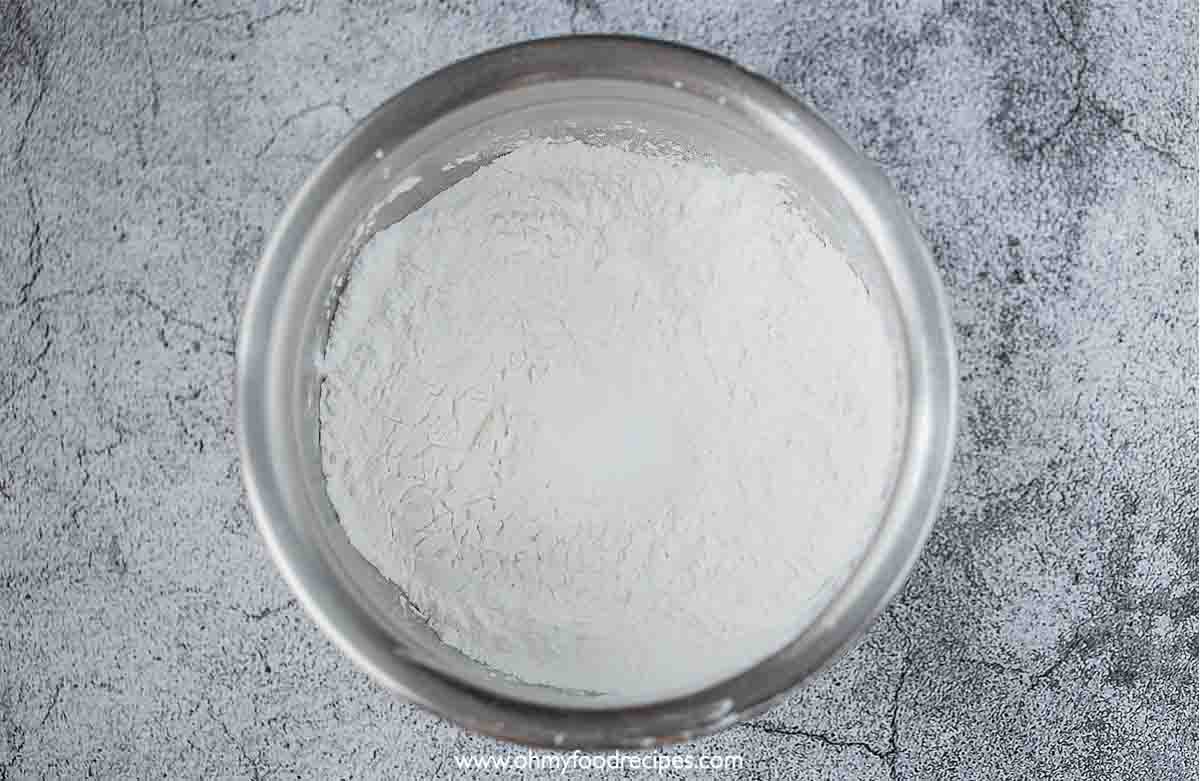
Dough:
1. Put 1 cup of wheat starch, ⅔ cup of tapioca starch, and ½ teaspoon of salt into the bowl and mix them well.
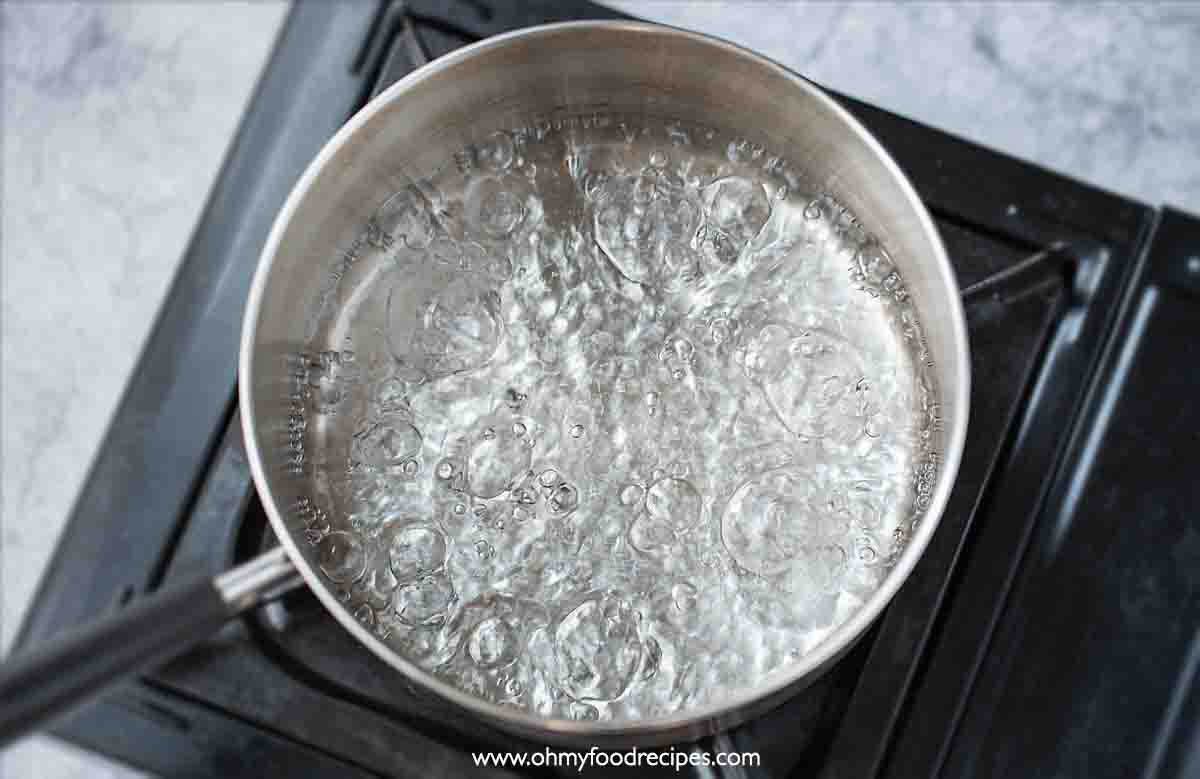
2. Pour 1 ⅓ cups of water into the pot and turn on medium-high fire until the water is boiling.
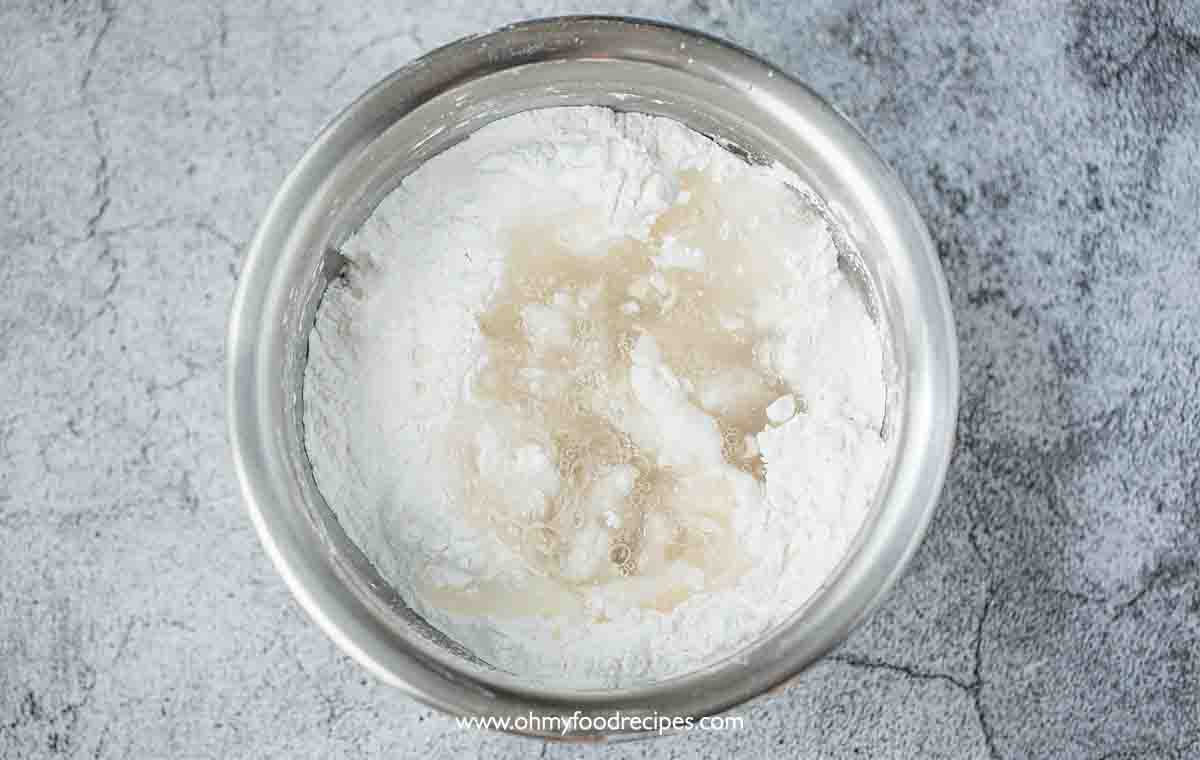
3. Immediately pour the hot boiling water from step 2 into the starch mixture from step 1. This step is crucial. After that, stir it a little bit.
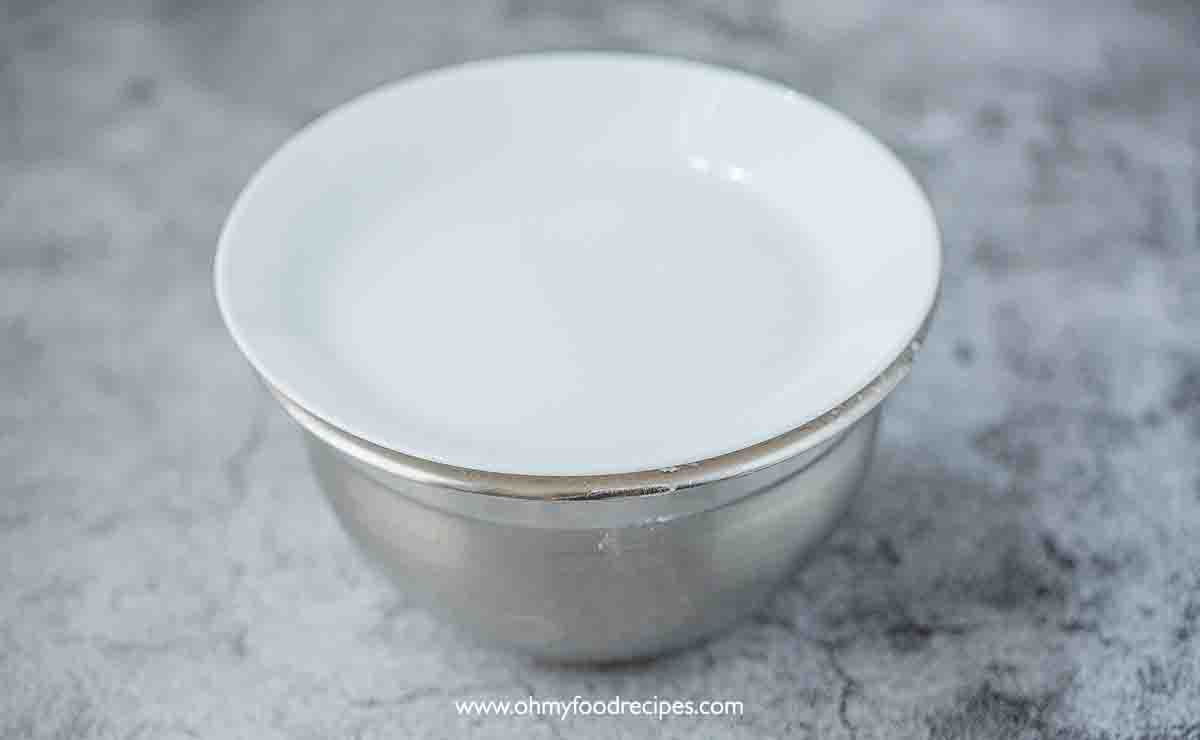
4. Cover the mixture with a plate for 15 minutes or until the mixture is not too hot to knead.

Filling:
5. While waiting for the dough mixture, chop ½ pound of no-shell raw shrimp into a paste-like.
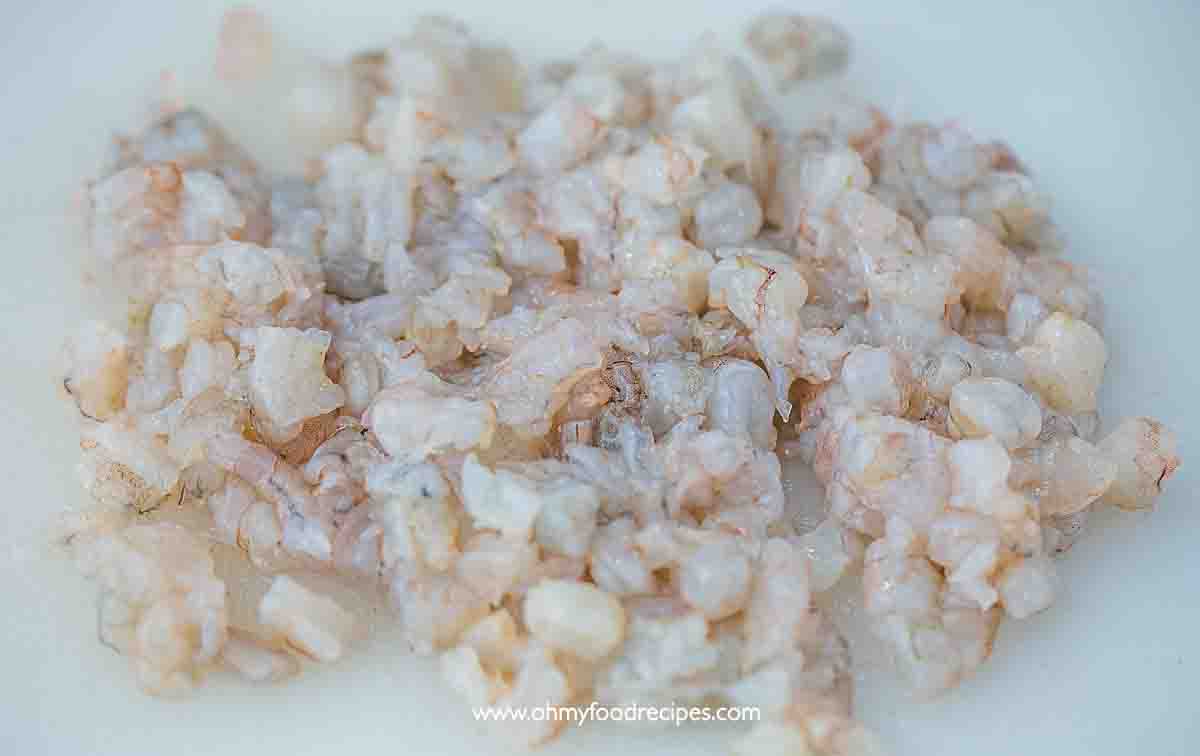
6. Then, roughly chop another ½ pound of no-shell raw shrimp into pieces.
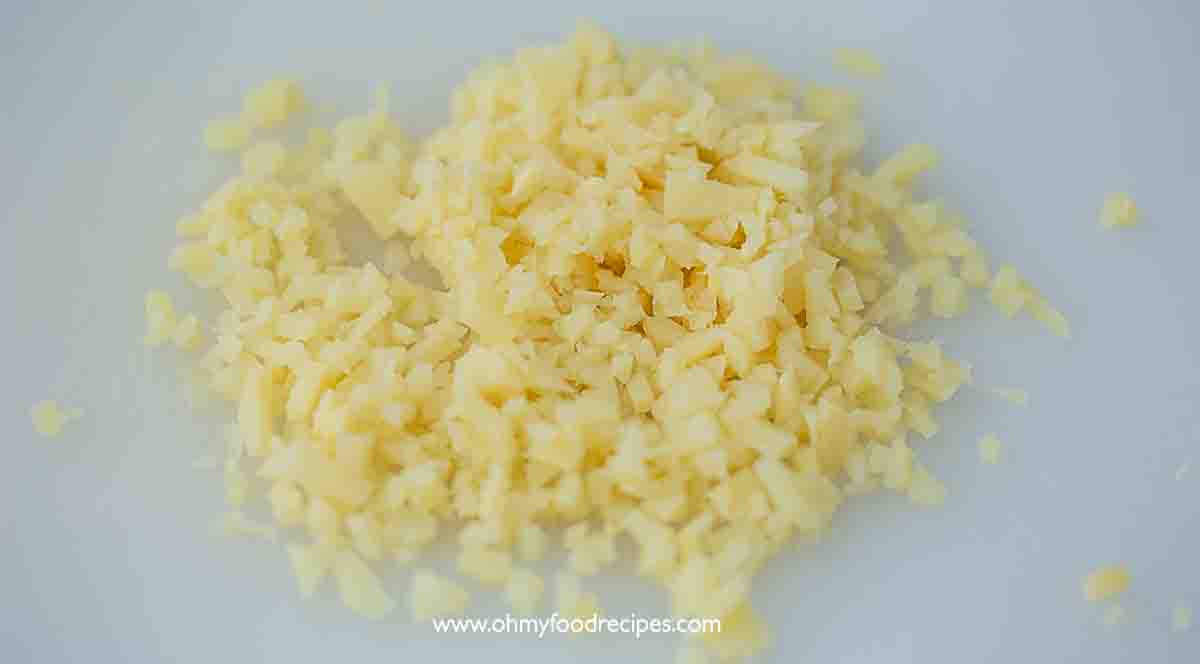
7. Mince ½ cup (2 oz) of bamboo shoots.
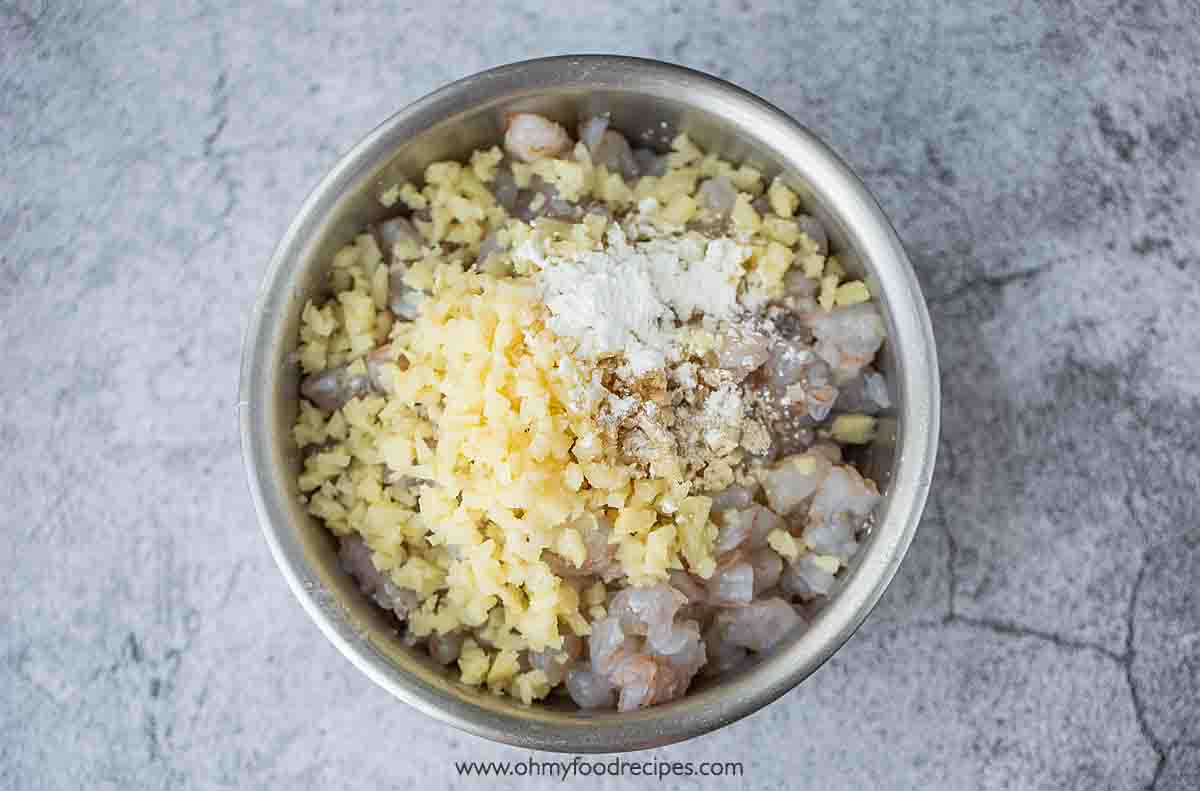
8. Put the chopped shrimp and minced bamboo shoots into a bowl. After that, add ⅛ teaspoon of salt, ¼ teaspoon of white pepper, 1 teaspoon of cornstarch, and 1 tablespoon of sesame oil. Mix the shrimp filling well.
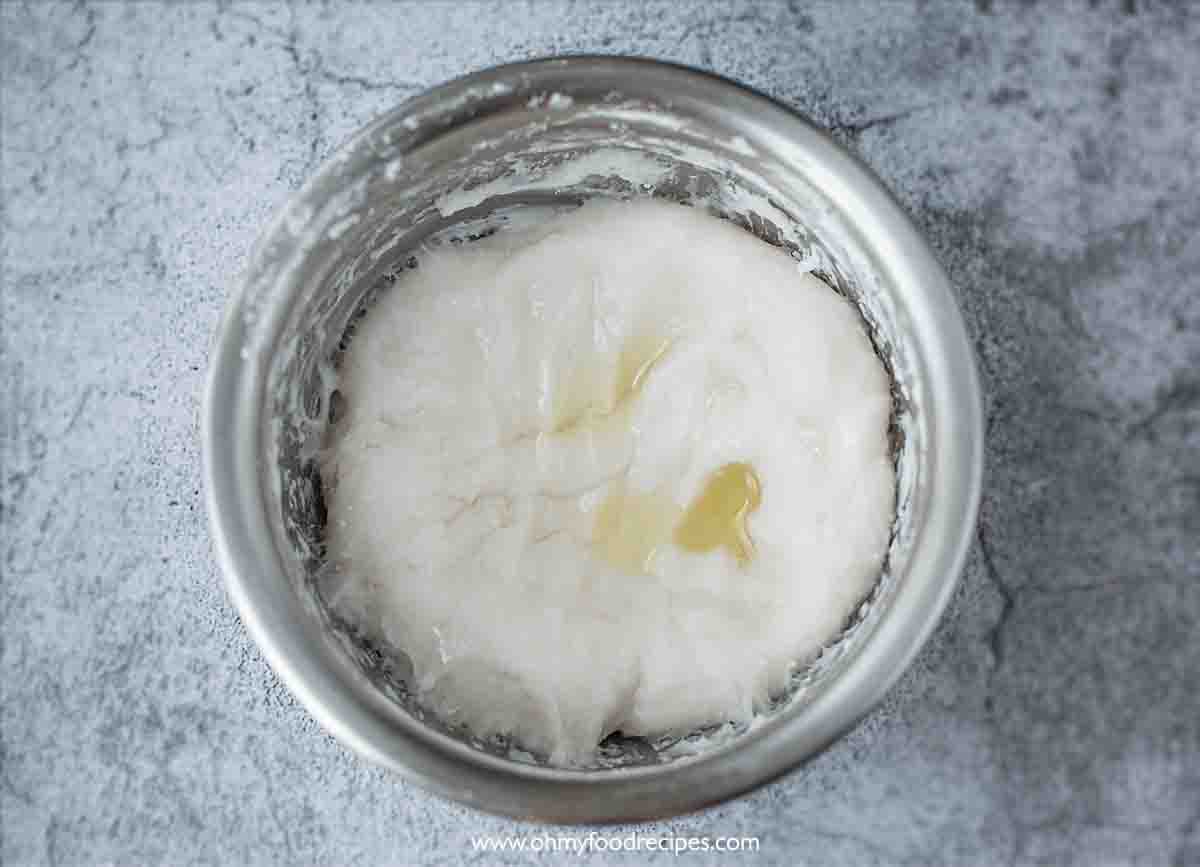
9. When the dough mixture is not too hot to work with, knead the dough and add 1 tablespoon of vegetable oil. Separate it 2 times to add ½ tablespoon of vegetable oil at a time. Knead the dough until it comes together and is no longer sticky (about 5 minutes). Wear gloves if you prefer not to handle the dough with your bare hands and to prevent sticking.
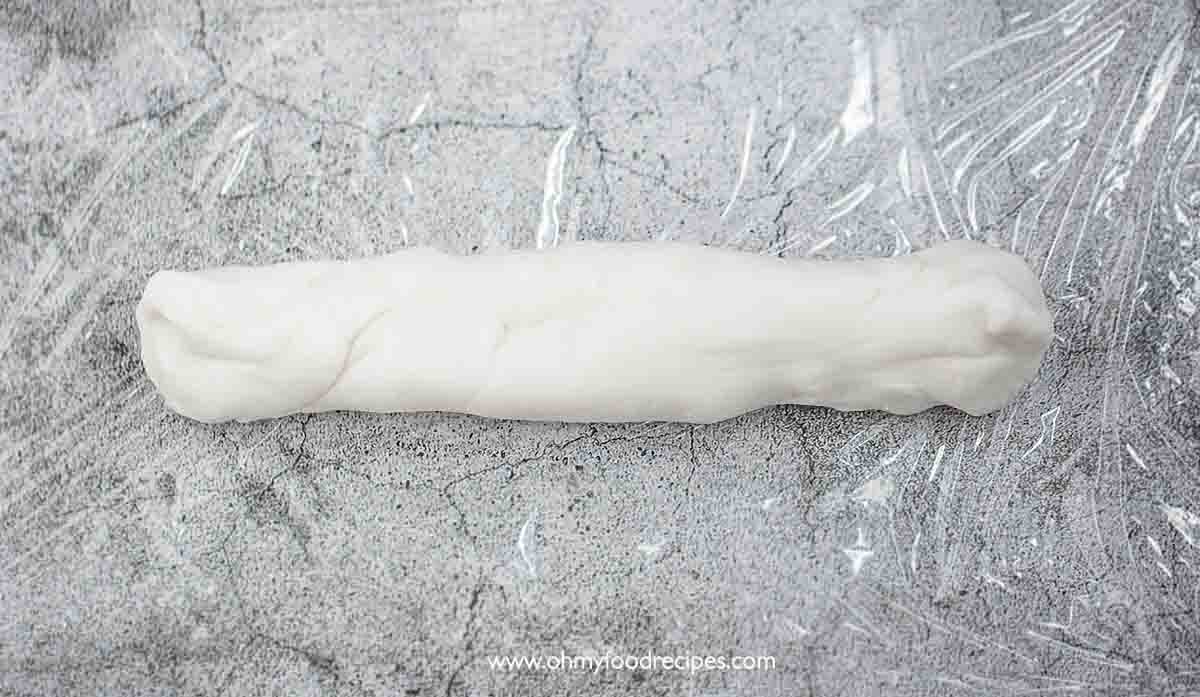
Divide the dough:
10. Roll the dough into a long shape.

11. Brush some oil on the pastry cutter front and back. Then cut the dough in half, then into pieces. Around 20-22 pieces. (This recipe can make around 25-26 har gau, shrimp dumplings.)

12. Take a piece of dough and press it with the pastry cutter to flatten the dough.

13. Next, use a circle cutter (3.5 inches in diameter) to cut out the flattened dough. (You can skip this step if you don't mind the shape being uneven.)

Combine:
14. Scoop around 1 teaspoon of shrimp filling from step 8 in the middle of the flattened dough wrapper. You can dip some oil on your fingers when wrapping the har gau; this way can prevent sticking.

15. Fold the har gow by pushing the front wrapper and pressing it down. Pleat it around 8-12 folds. Repeat and finish the rest. (You can use a pair of scissors to cut the top to give it a nicer trim. This is optional.)
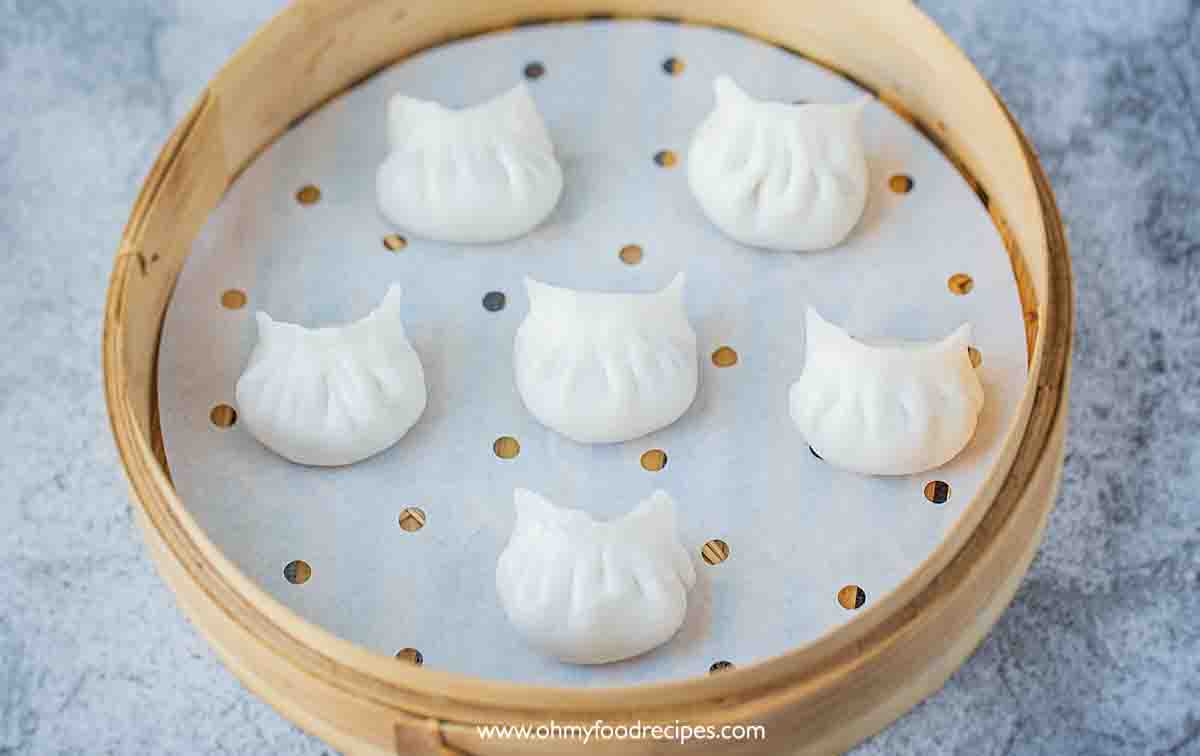
16. Place some har gow or har gaw into the bamboo steamer with a paper liner.
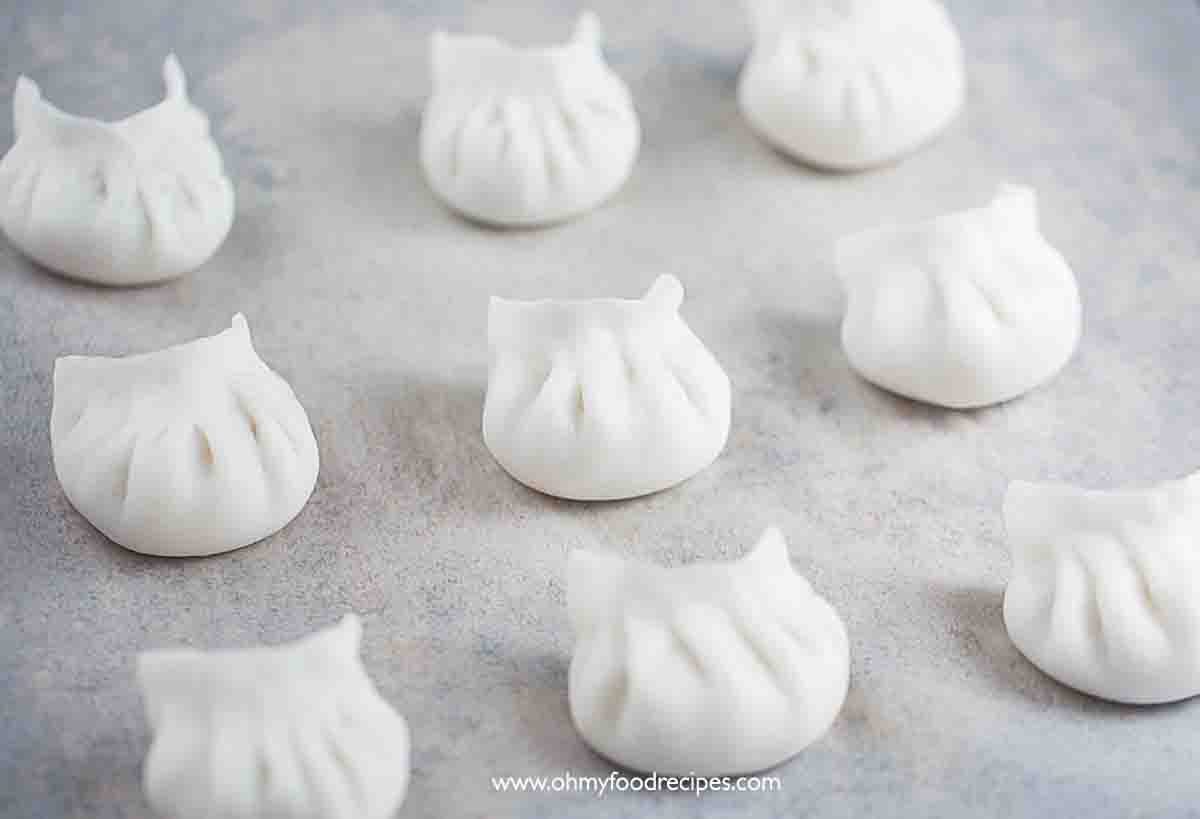
17. Or, lay the rest of the wrapped har gow on the tray with parchment paper. Then, freeze them for later use.

Steaming:
18. Pour 6 cups of water into the wok and turn on high fire until the water is boiling. Put the bamboo steamer with the wrapped har gau from step 16 into the wok. Turn the fire to small-medium and steam it for 8 minutes.

Enjoy this delicious classic dim sum har gow recipe! Also, check out these recipes: walnut shrimp, crispy noodles, mung bean soup, sheng jian bao, Thai satay chicken, Asian shaved ice, lychee slush, tom yum kung, and ssamjang Korean dipping sauce.
You May Also Like These Recipes:
Subscribe to Oh My Food Recipes to get our new recipes delivered straight to your inbox! Follow along on Facebook, Pinterest, and Instagram for all the latest
updates.
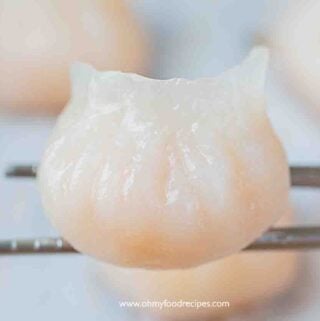
Har Gow
Equipment
- Pastry cutter/ Knife
- Pot/ Wok
- bamboo steamer
Video
Ingredients
Dough:
- 1 cup Wheat starch
- ⅔ cup Tapioca starch
- ½ teaspoon Salt
- 1 and ⅓ cup Hot boiling water
- 1 tablespoon Vegetable oil (Add ½ tablespoon at a time, seperate 2 times)
Filling:
- 1 pound No-shell raw shrimp (Chop half into paste like and half into pieces)
- ½ cup Bamboo shoots (2 oz)
- ⅛ teaspoon Salt
- 1 teaspoon Cornstarch
- 1 tablespoon Sesame oil
- ¼ teaspoon White pepper
Extra:
- 1 teaspoon Vegetable oil (For brushing the pastry cutter and dip on fingers when wrapping har gow)
Instructions
- Put 1 cup of wheat starch, ⅔ cup of tapioca starch, and ½ teaspoon of salt into the bowl and mix them well.
- Pour 1 ⅓ cups of water into the pot and turn on medium-high fire until the water is boiling.
- Immediately pour the hot boiling water from step 2 into the starch mixture from step 1. This step is crucial. After that, stir it a little bit.
- Cover the mixture with a plate for 15 minutes or until the mixture is not too hot to knead.
- While waiting for the dough mixture, chop ½ pound of no-shell raw shrimp into a paste-like.
- Then, roughly chop another ½ pound of no-shell raw shrimp into pieces.
- Mince ½ cup (2 oz) of bamboo shoots.
- Put the chopped shrimp and minced bamboo shoots into a bowl. After that, add ⅛ teaspoon of salt, ¼ teaspoon of white pepper, 1 teaspoon of cornstarch, and 1 tablespoon of sesame oil. Mix the shrimp filling well.
- When the dough mixture is not too hot to work with, knead the dough and add 1 tablespoon of vegetable oil. Separate it 2 times to add ½ tablespoon of vegetable oil at a time. Knead the dough until it comes together and is no longer sticky (about 5 minutes). Wear gloves if you prefer not to handle the dough with your bare hands and to prevent sticking.
- Roll the dough into a long shape.
- Brush some oil on the pastry cutter front and back. Then cut the dough in half, then into pieces. Around 20-22 pieces. (This recipe can make around 25-26 har gau, shrimp dumplings.)
- Take a piece of dough and press it with the pastry cutter to flatten the dough.
- Next, use a circle cutter (3.5 inches in diameter) to cut out the flattened dough. (You can skip this step if you don't mind the shape being uneven.)
- Scoop around 1 teaspoon of shrimp filling from step 8 in the middle of the flattened dough wrapper. You can dip some oil on your fingers when wrapping the har gau; this way can prevent sticking.
- Fold the har gow by pushing the front wrapper and pressing it down. Pleat it around 8-12 folds. Repeat and finish the rest. ( You can use a pair of scissors to cut the top to give it a nicer trim. This is optional.)
- Place some har gow or har gaw into the bamboo basket with a paper liner.
- Or, lay the rest of the wrapped har gow on the tray with parchment paper. Then, freeze them for later use.
- Pour 6 cups of water into the wok and turn on high fire until the water is boiling. Put the bamboo steamer with the wrapped har gau from step 16 into the wok. Turn the fire to small-medium and steam it for 8 minutes.
Notes
Expert Tips for Making Perfect Har Gow
These simple techniques can make the difference between homemade shrimp dumplings and restaurant-quality har gow.Dough Tips
- Use freshly boiled water. Immediately pour the boiling water into the wheat starch mixture, stir briefly, cover, and let it rest for 15 minutes. This step gelatinizes the starches and creates a smooth, pliable dough.
- Add the oil in two additions. Incorporating the oil gradually helps produce a smoother, more elastic dough.
- Knead until smooth. Knead the dough for about 5 minutes, then divide it into 20-22 equal pieces.
- Keep the dough covered. Har gow dough dries out quickly. Always keep the unused dough covered with plastic wrap or a damp towel while shaping the dumplings.
- Lightly oil your tools and hands. Brush a little oil on your knife or dough scraper before pressing the wrappers, and lightly oil your fingers to prevent sticking while folding.
Wrapper Tips
- Roll the wrapper to about 2 mm thick. It should be thin enough to become translucent after steaming but thick enough to hold the filling without tearing. Keep the center slightly thicker than the edges for extra support.
- Don't overfill the dumplings. Use about 1 teaspoon of filling per wrapper. Too much filling makes the delicate wrapper difficult to seal and more likely to tear during pleating or steaming.
- Seal tightly. Traditional har gow usually has 7-13 pleats, but don't worry about counting them. A secure seal is far more important than the number of pleats.
Filling Tips
- Use raw shrimp. Raw shrimp stays juicy and develops the signature bouncy texture after steaming.
- Chop the shrimp two ways. Finely mince half into a paste and roughly chop the rest. This combination creates a filling that's both tender and pleasantly chunky.
Steaming Tips
- Line your steamer. Use parchment paper with holes or cabbage leaves to prevent the dumplings from sticking.
- Steam over medium heat. Steam freshly made har gow for 8-10 minutes, or 15 minutes if cooking from frozen. Avoid very high heat, which can cause the wrappers to crack or burst.
- Know when they're done. The wrappers should turn translucent, and the shrimp should be firm, opaque, and fully cooked.
Serving & Freezing Tips
- Serve immediately. Har gow is best enjoyed fresh from the steamer while the wrappers are soft and delicate. Let the dumplings cool for a minute or two before eating to avoid burning yourself.
- Freeze before steaming. Arrange uncooked dumplings in a single layer on a tray until frozen, then transfer them to a freezer bag. Steam directly from frozen-there's no need to thaw them first.


Linda says
This har gow recipe is delicious and very detailed!